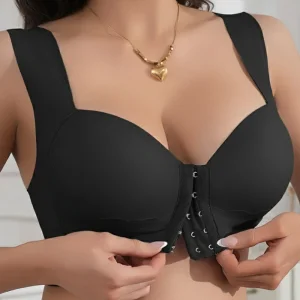
Explore our premium range of women's apparel engineered with high elasticity, contemporary styling, and optimal comfort.
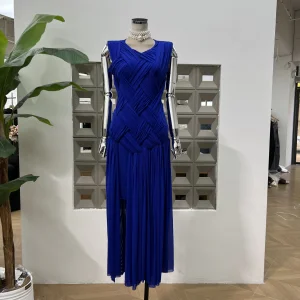
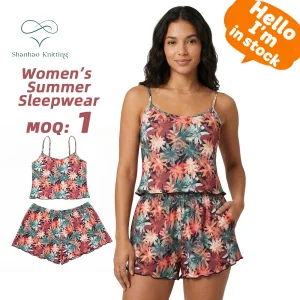
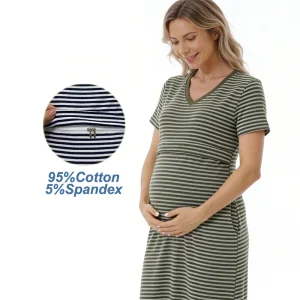

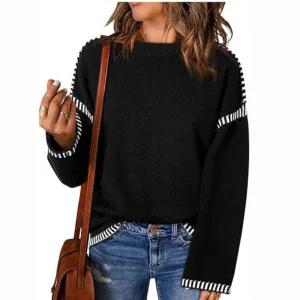
Established in 2012, Beavo Fashion operates a modern manufacturing facility covering over 8,000 square meters in Guangzhou, China. Supported by a team of more than 180 skilled professionals—including experienced apparel designers, pattern makers, QA inspectors, and production specialists—we specialize in the development and manufacture of high-quality fashion solutions for global brands, wholesalers, and e-commerce enterprises.
As a leading OEM and ODM partner, we provide comprehensive end-to-end services, from fabric sourcing and custom pattern creation to precision manufacturing, quality control, and international logistics. Our core catalog features women's knitted dresses, casual separates, sleepwear, activewear, and plus-size fashion collections.
Our commitment to precision engineering and compliance guarantees quality metrics that consistently exceed industry standards.
Deep-dive analysis on safety certification, global supply chains, material engineering, and structural trends in the women's knitted dress category.
For modern apparel brands targeting the European Union and North American retail spaces, product safety is no longer optional. CE certification and compliance framework alignment represent the gold standard in fabric validation. Historically associated with toys and electronics, CE compliance principles in textiles demand strict adherence to the General Product Safety Regulation (GPSR), REACH Annex XVII restrictions on toxic chemicals, and flammability metrics.
When sourcing knitted dresses, a compliant factory must audit its entire wet processing supply chain. Knitted fabrics, due to their looped structure, have a higher surface area that can trap chemical residues from dyeing and finishing agents. Factories must ensure that all pigments, softening agents, and print pastes are free from banned azo dyes, formaldehyde, alkylphenol ethoxylates (APEOs), and heavy metals. These safety baselines protect consumers and shield importing brands from costly recalls and customs seizures.
Furthermore, physical safety standards govern aspects such as seam strength and structural stability. Heavy-gauge knitwear and fine-ribbed patterns must resist excessive stretching, distortion, or pilling under repeated wear. A certified factory utilizes specialized tensile testing machines to verify that structural seams can withstand significant mechanical strain, thereby meeting the safety expectations of global retailers.
"Ensuring compliance involves monitoring raw material inputs and maintaining a fully documented chain of custody from raw yarn sourcing to final packaging. Brand protection begins at the fiber level."
Guangzhou remains the epicenter of the global apparel and knitwear supply chain, offering an integrated industrial ecosystem. Our production facility utilizes this physical proximity to major yarn suppliers, design studios, and logistics hubs. This concentration of resources yields distinct advantages:
Procurement teams at enterprise-level brands must balance lead times, minimum order quantities (MOQs), and manufacturing costs. Modern retail strategies demand a shift from high-volume, rigid forecasting to agile, demand-driven sourcing models. Our manufacturing services are structured to support this operational agility.
By employing modular production lines, we support low-MOQ test orders, allowing brands to launch limited collections to gauge consumer sentiment. When a design gains traction, our high-volume production lines can scale output rapidly, producing up to 250,000 units monthly. This dual capability minimizes excess inventory risk while preventing stockouts during peak selling seasons.
Logistical integration is another core component of our service. We work closely with international freight forwarders to provide comprehensive sea, air, and express shipping options. Our documentation team handles customs paperwork, export clearances, and certificate validation, ensuring smooth transit through ports worldwide.
The women's knitwear category is undergoing a transition driven by materials innovation and sustainable production methods. Brands that prioritize these trends can differentiate themselves in competitive markets:
Tailored styling, fiber configurations, and weight selections for diverse regional climates and consumer preferences.
Designed for cold-weather layered styling. We utilize heavy-gauge (5G, 7G) extra-fine merino wool and cashmere-acrylic blends. Features include mock necks, midi lengths, and dense ribbing to maximize heat retention while maintaining elegant silhouettes.
Optimized for warm climates and coastal leisure. We produce open-knit, fine-gauge crochet dresses utilizing mercerized cotton, organic linen, and viscose blends. These fabrics offer breathability, natural drape, and moisture management.
Tailored for professional and hybrid work environments. Featuring medium-gauge (12G, 14G) double knit structures (Milano rib) that resist wrinkling, hold shape, and present a structured look, combined with elastane for flexibility.
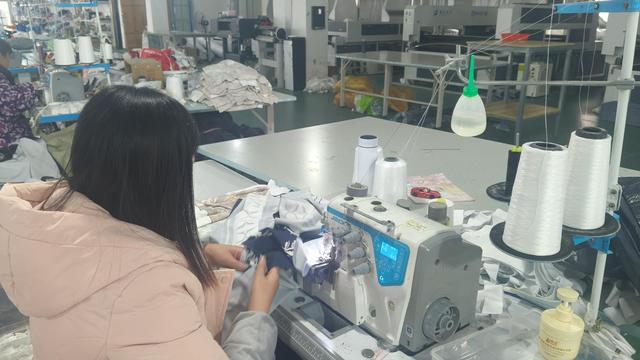
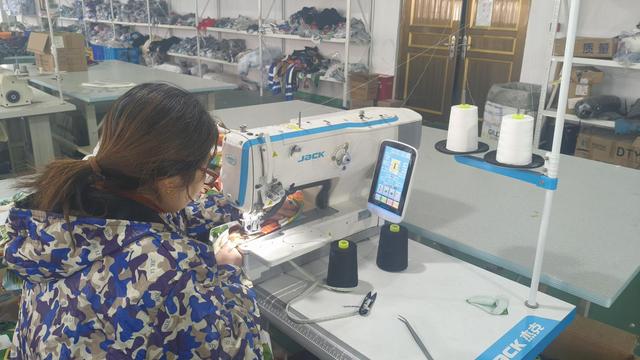
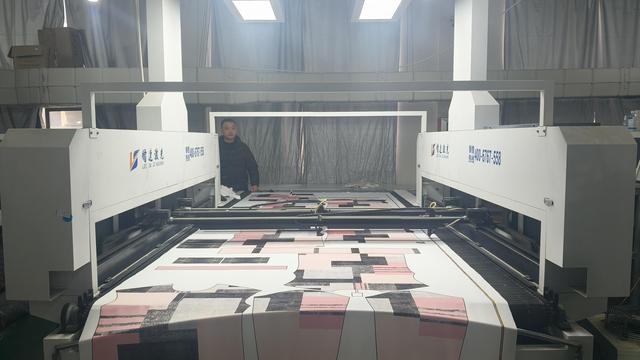
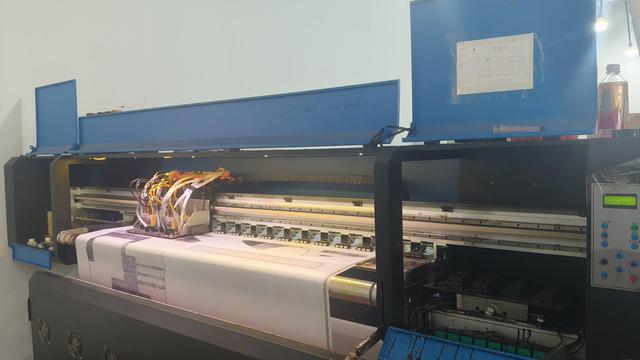
An inside look at our manufacturing facility, raw material inventory, assembly lines, and testing stations.
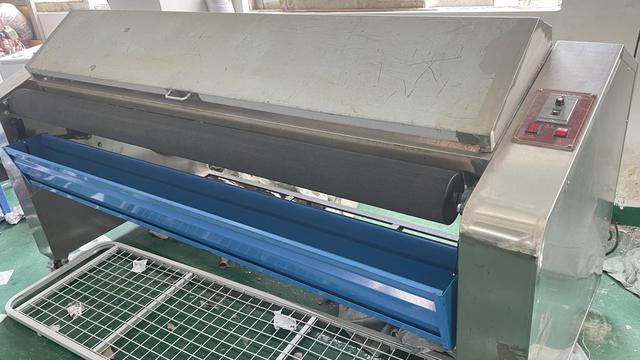
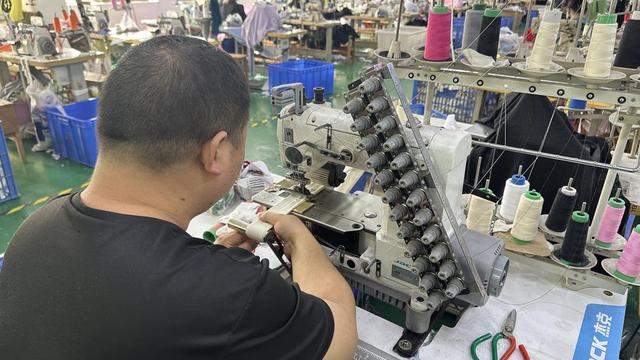
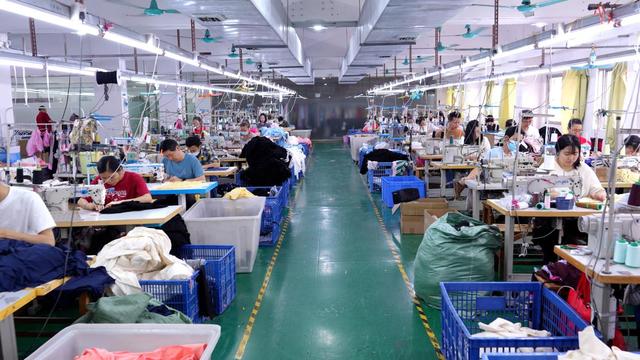
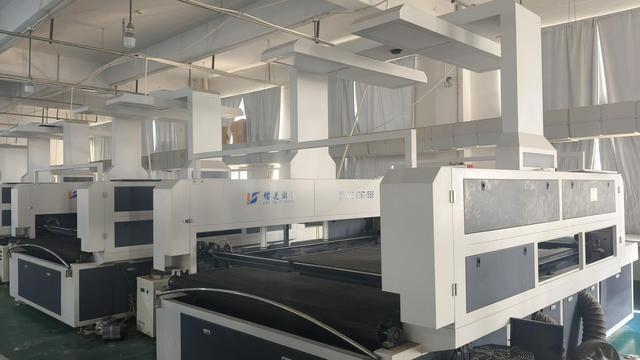
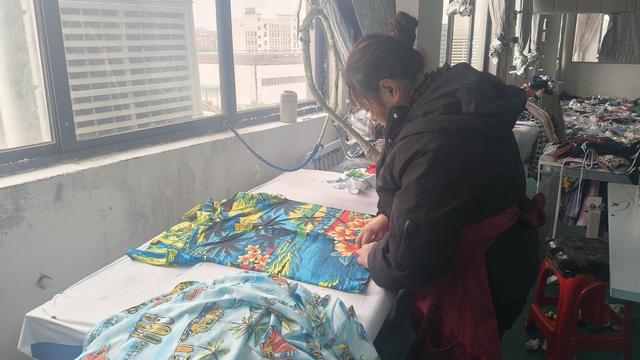
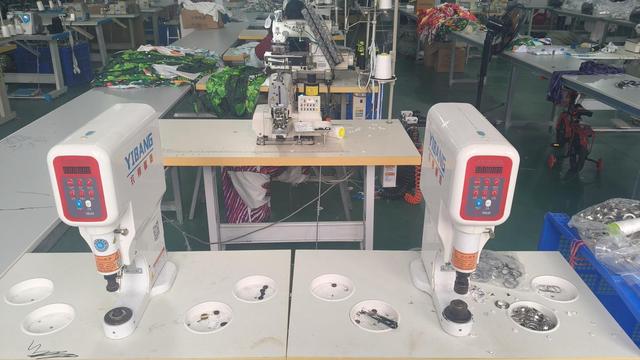
Professional guidance and technical details regarding compliance, custom garment manufacturing, and logistics.
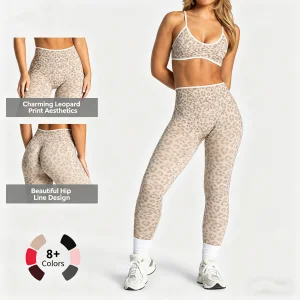
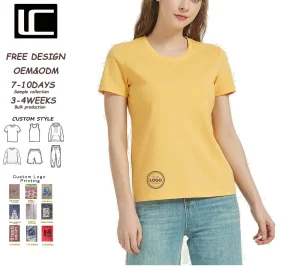
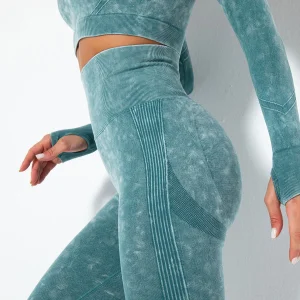
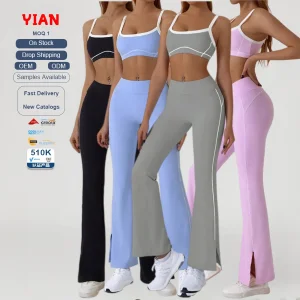
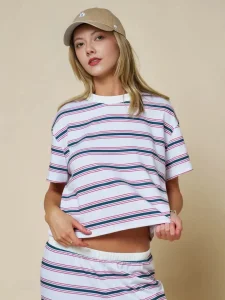
Browse our catalog of custom-printed activewear, loungewear sets, outerwear, and high-elasticity performance apparel.
 Beavo Fashion