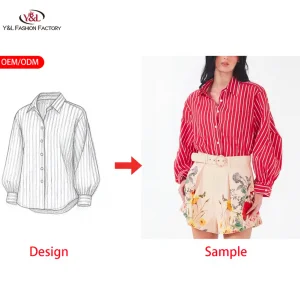
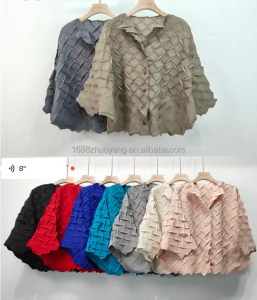
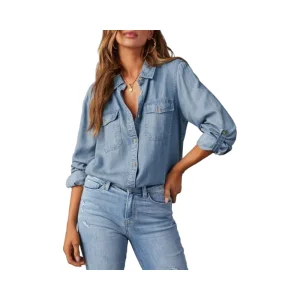
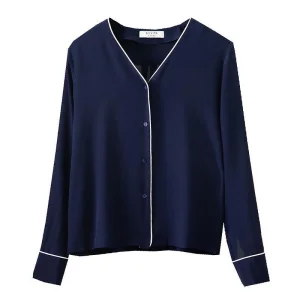
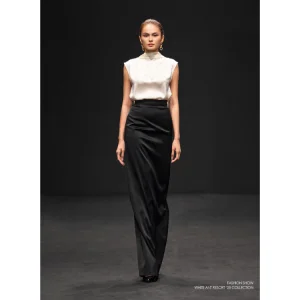
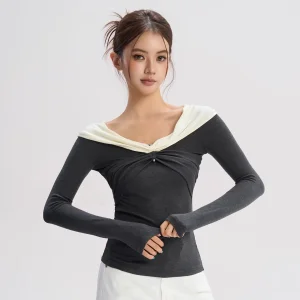
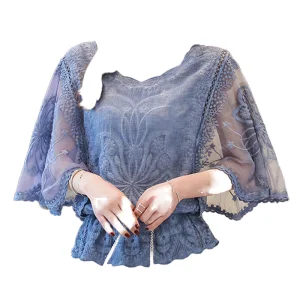
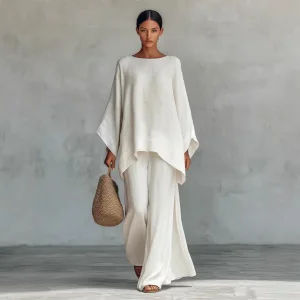
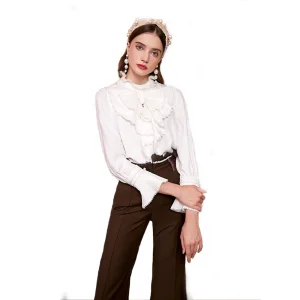
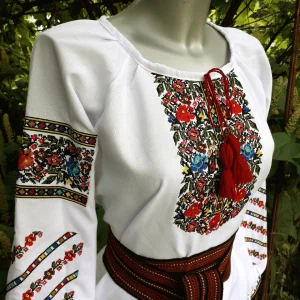
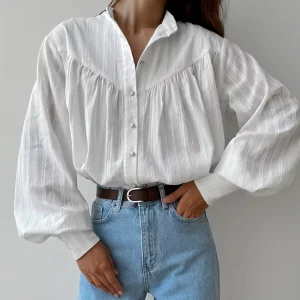
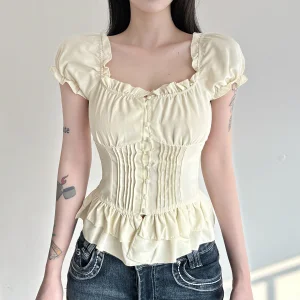
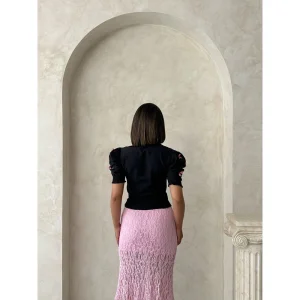
Explore our latest high-performance women's blouses, tailored for bulk procurement and customizable branding.
Evaluating macro-economic changes, sustainable fiber integrations, and fast-response manufacturing paradigms.
The global textile and apparel sector is undergoing structural transformations driven by changing consumer behaviors, technological innovations, and trade complexities. As B2B apparel importers, department store buyers, and e-commerce growth directors navigate this changing landscape, the strategic role of a high-performance Women's Blouses Manufacturer & Exporter has shift from a transactional provider to a core supply chain partner.
Today, the premium women's apparel market demands style flexibility, production speed, and environmental compliance. Traditional sourcing metrics centered strictly on unit cost are giving way to more comprehensive evaluations, including lead-time predictability, fabric innovation, and ESG (Environmental, Social, and Governance) scores. The shift from heavy, synthetic fibers toward natural, breathable, and traceable alternatives—such as organic cotton, silk, and bamboo fiber—is driving R&D departments across the apparel sector to focus on material developments that align with eco-conscious consumer values.
For B2B buyers, these dynamics mean that inventory risk is the primary challenge to profitability. Long logistics times and large Minimum Order Quantities (MOQs) often result in out-of-stock positions on popular designs or costly liquidations of slow-moving items. Consequently, competitive advantages now rely on sourcing partnerships that offer structured, flexible manufacturing processes, digital prototyping, and reliable raw-material networks.
Understanding the requirements of global purchasing directors and brand managers.
B2B apparel buyers operating in North America, Europe, and Australia prioritize reliability, quality, and supply-chain transparency. An analysis of sourcing search queries shows that purchasing directors look beyond basic fabric options. They need to verify factory capacity, testing standards, social audits, and logistics support.
Key areas of inquiry for professional apparel procurers include:
By addressing these requirements directly, a manufacturing partner builds trust. We provide transparent technical sheets, fiber testing documents, and clear process tracking for every production stage, helping our clients reduce business risk and protect their brand reputation.
Inside Guangzhou Beavo Fashion Co., Ltd. — an established OEM/ODM garments manufacturer.
Guangzhou Beavo Fashion Co., Ltd. is a professional Women's Clothing Manufacturer, Custom Fashion Apparel Supplier, and OEM/ODM Garment Factory. We specialize in producing high-quality fashion solutions for global apparel brands, wholesalers, retailers, e-commerce sellers, and private-label businesses.
Established in 2012, Beavo Fashion operates a modern manufacturing facility covering over 8,000 square meters in Guangzhou, China. Our team includes more than 180 skilled employees, featuring experienced designers, pattern makers, quality inspectors, and production specialists. We develop and manufacture a broad selection of women's wear, including dresses, tops, blouses, skirts, pants, outerwear, knitwear, activewear, loungewear, and plus-size fashion collections.
As a reliable partner, Beavo Fashion offers end-to-end services, starting with concept development and fabric sourcing, through sampling, bulk production, packaging, and global logistics. We process a wide variety of materials, including cotton, polyester, rayon, linen, spandex blends, and sustainable alternatives, adapting to diverse market demands and fashion trends.
Through our focus on design innovation, production management, and customer support, Beavo Fashion has built long-term relationships with clients across North America, Europe, Australia, the Middle East, and emerging global markets. We are committed to supporting fashion brand growth through reliable manufacturing, competitive pricing, prompt delivery, and customized apparel solutions.
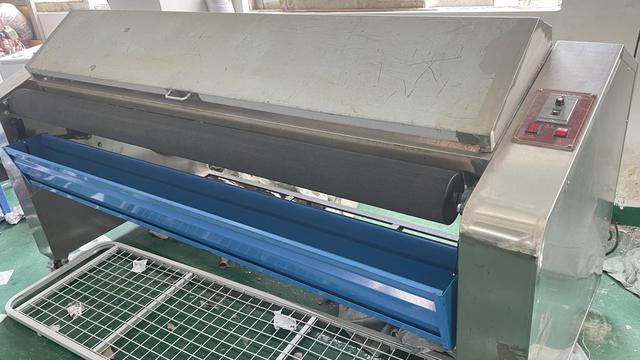
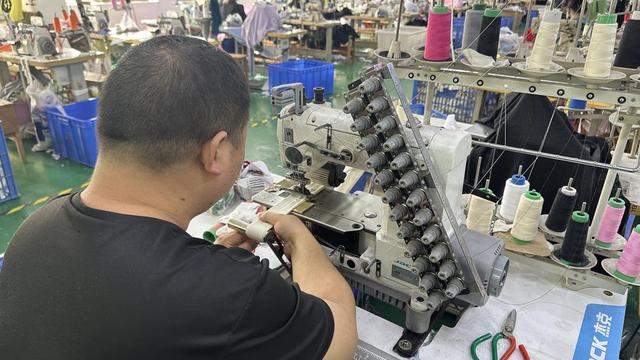
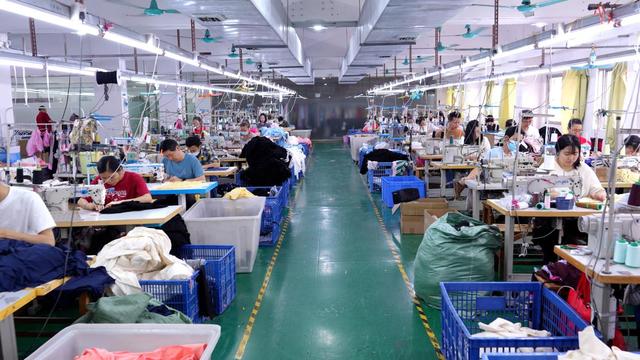
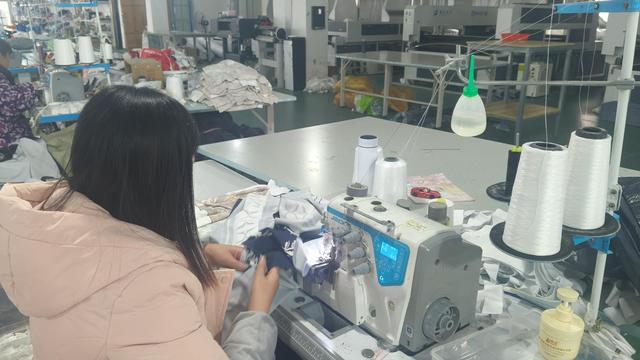
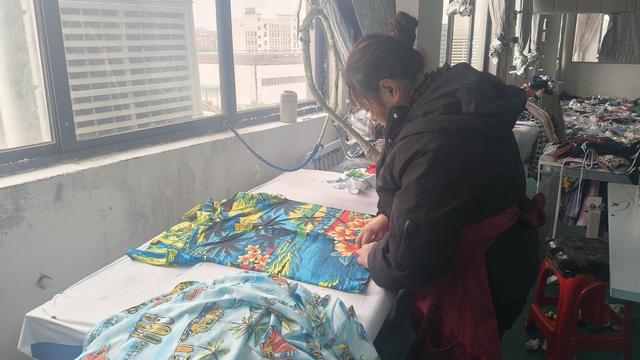
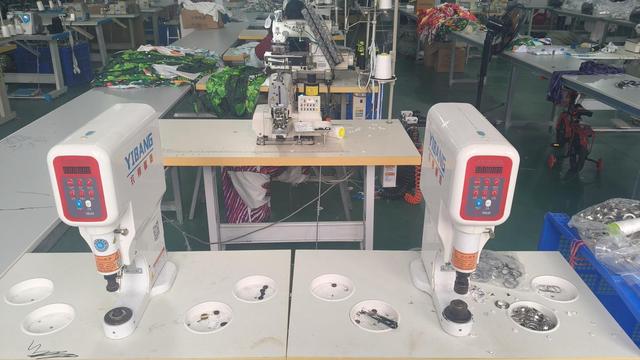
How digital manufacturing systems and lean production methods optimize apparel export operations.
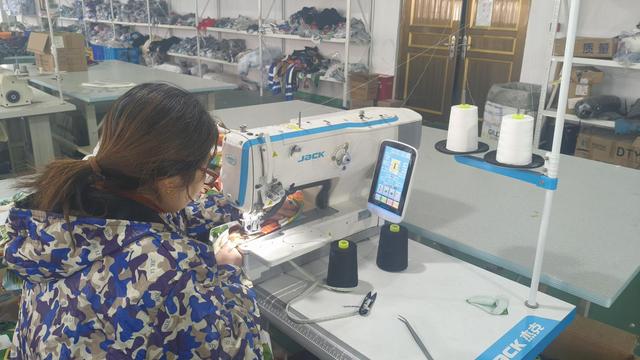
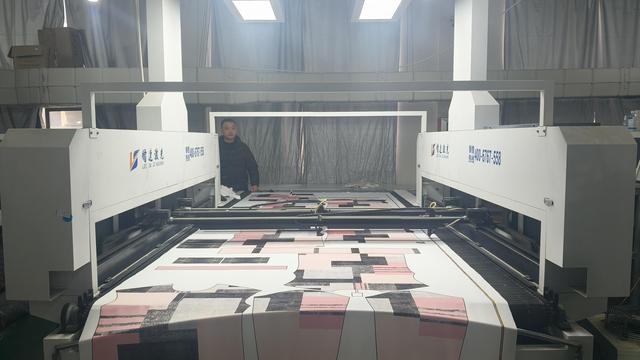
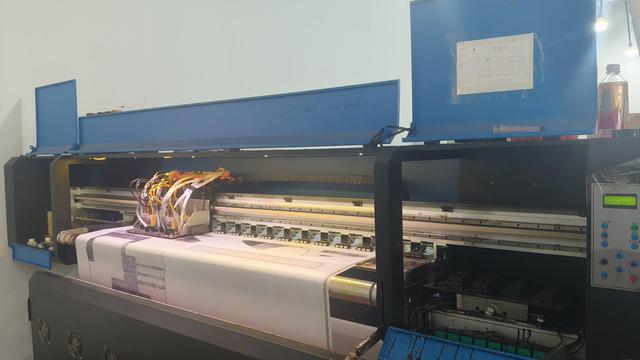
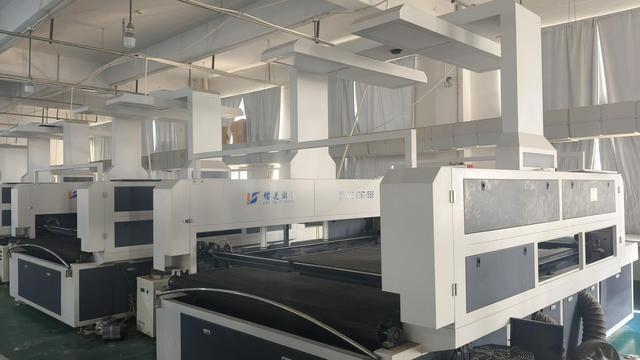
Apparel manufacturing has moved past the era of manual, disconnected processes. Under the China Factory 4.0 framework, Beavo Fashion has integrated digital workflows across our production stages to optimize efficiency, lower defect rates, and accelerate delivery times.
This digital-physical integration helps buffer global supply chains against instability. By locating our operations in the Pearl River Delta apparel manufacturing hub, we maintain direct access to specialized dye houses, accessory suppliers, and global shipping ports (Guangzhou Nansha and Shenzhen Yantian). This localized proximity reduces domestic shipping timelines, allowing us to deliver orders quickly and efficiently.
Customizing fits, structures, and designs to meet regional styling preferences.
As a global exporter, we understand that style requirements and material standards vary significantly between regions. Our design team continuously adapts collections to align with local market demographics.
We work with brand buyers to adjust sizing specs—including US, EU, and Asian sizing structures—to ensure correct drape and fit across target markets. This attention to detail reduces return rates for e-commerce retailers and enhances consumer satisfaction.
Answers to common questions about customization options, order placement, and delivery logistics.
Explore more of our export-ready women's blouses and specialized designs.
 Beavo Fashion