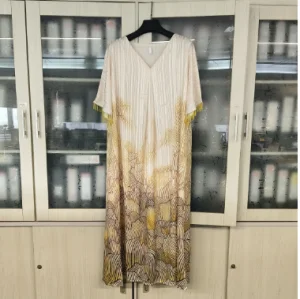
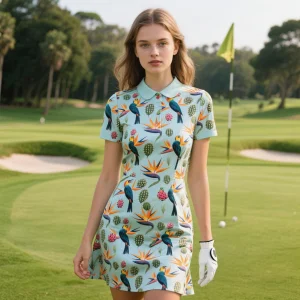
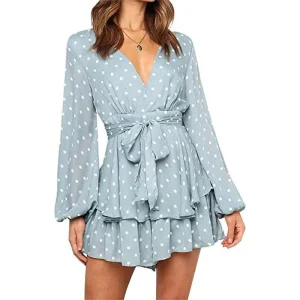
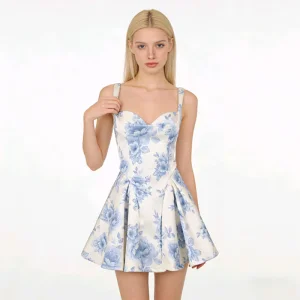
Explore our highly curated selection of export-ready silhouettes manufactured under strict quality compliance guidelines.
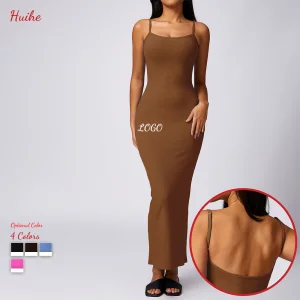
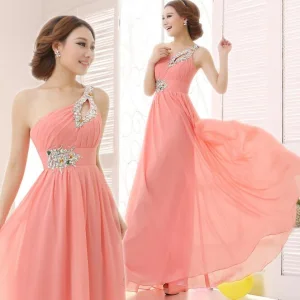
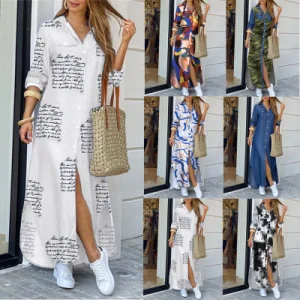
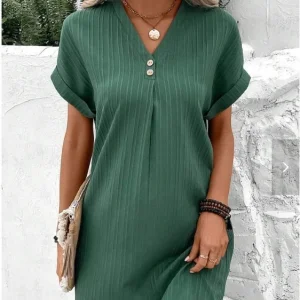
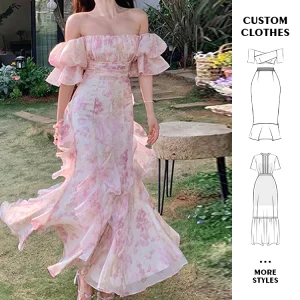
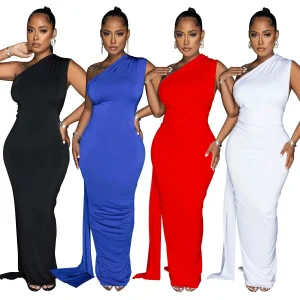
A comprehensive analysis of production metrics, supply chain architecture, and commercial trends driving B2B sourcing.
The international women’s dress segment accounts for more than 40% of the entire global womenswear market. Currently valuation estimates suggest the segment exceeds $150 billion annually. Over the past five years, the supply chain has transitioned from traditional bulk-buy seasonal models into high-frequency, customer-centric pipelines. Fast fashion, cross-border e-commerce, and high-performance active lifestyle wear demand factories capable of fast adaptation and immediate fabric sourcing capabilities.
Brands now require extreme agility. The conventional cycle of 6 to 9 months for design-to-delivery has been compressed to 14–21 days. This is where advanced manufacturing systems step in. High-end brands in North America, Western Europe, and Australia demand strict environmental compliance, structural durability, and high aesthetic finishing. The emergence of digital fashion platforms has also expanded the need for suppliers who can manage small-batch test orders while maintaining the infrastructure to scale up production to hundreds of thousands of pieces instantly.
"For modern retailers, a dress supplier is no longer just a Cut-Make-Trim (CMT) factory. They are a strategic partner integrated into the digital inventory forecasting loops of the brand."
Guangzhou remains the absolute epicenter of high-efficiency apparel manufacturing. The unique density of raw materials, expert pattern makers, printing houses, and cargo hubs creates an environment unmatched globally. Guangzhou Beavo Fashion Co., Ltd., founded in 2012, operates a modern 8,000 square meter factory that represents the peak of this regional ecosystem. The geographical advantage provides direct access to the world's largest fabric and accessory market (Zhongda Textile Market), allowing sample sourcing and trim customisation within hours rather than weeks.
Furthermore, China’s skilled workforce integrates advanced automation—such as computer-aided design (CAD) software, automatic laser fabric cutting tables, and intelligent digital hanging lines—to optimize yield and decrease material waste by up to 15%. This high precision and efficiency directly offset labor costs, making Chinese manufacturers the most competitive choice when evaluating the Total Cost of Ownership (TCO) in B2B supply chains.
Integrated manufacturing workflows from conceptual designs to final container logistics, customized for top-tier apparel brands.
We work with various premium fibers, including premium long-staple cotton, structural polyester, high-grade rayon, breathable linen, elastane blends, and GOTS-certified eco-friendly organic cottons.
Converting tech packs into highly fitted, anatomically accurate garments. We construct physical and digital pattern sheets customized to different global market sizing charts (US, EU, AU, ASIA).
Strict inline and final AQL 2.5/4.0 standard audits. Our factory includes high-precision metal detectors and colorfastness testers, ensuring every retail delivery is market-ready.
A transparent look inside Beavo Fashion's manufacturing facilities, featuring automated sewing lines, design centers, and warehouse management.
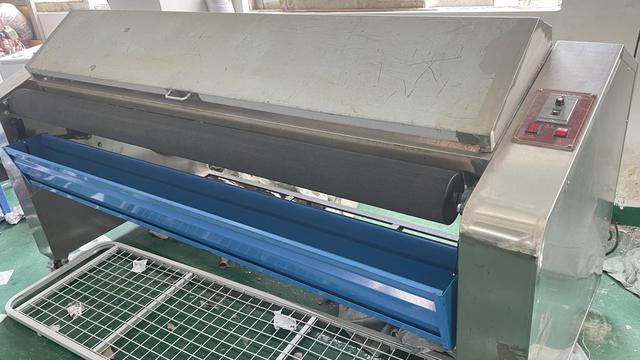
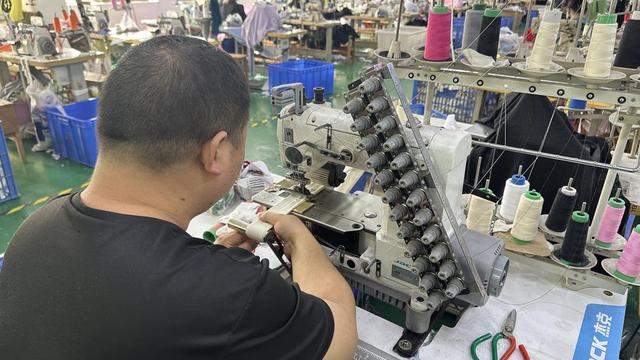
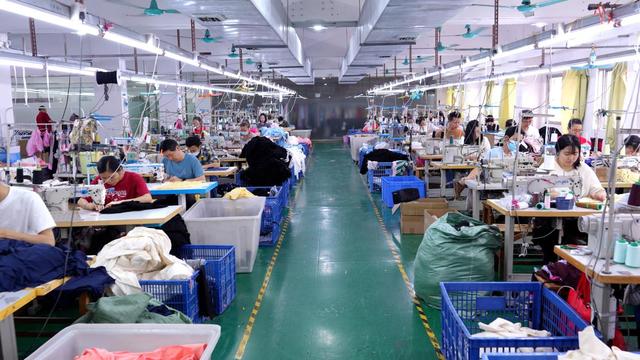
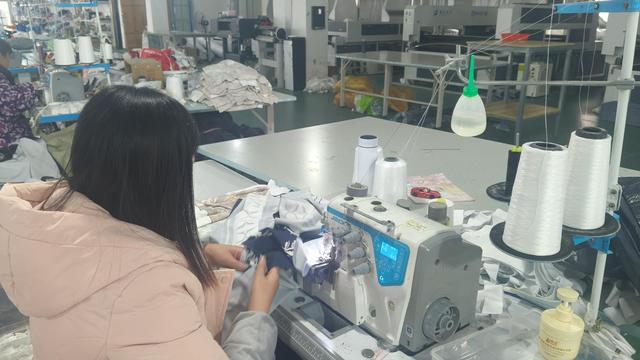
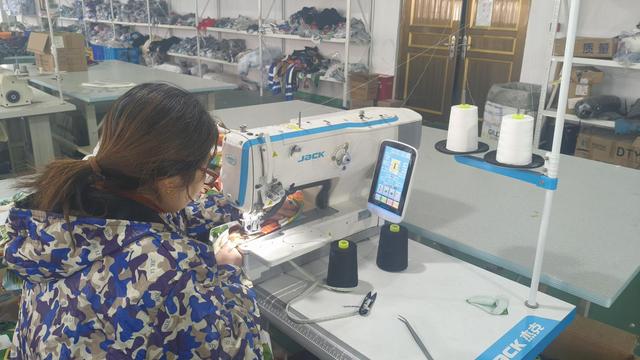
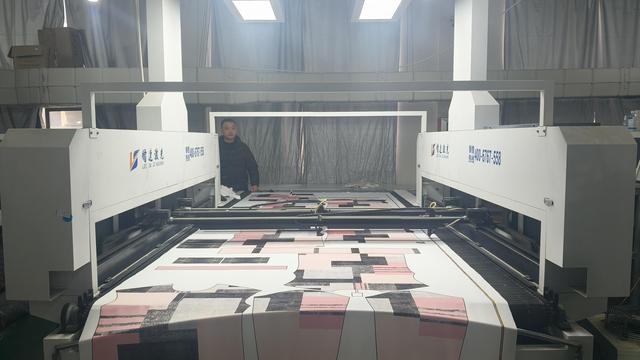
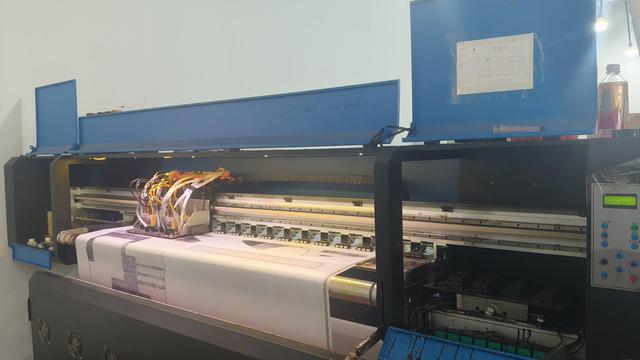
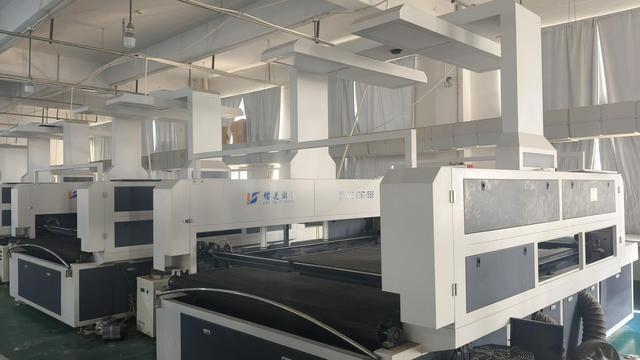
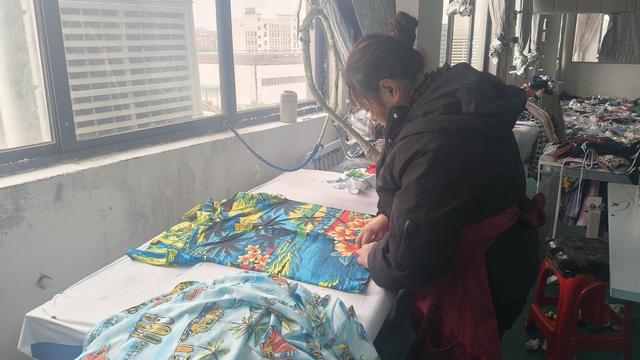
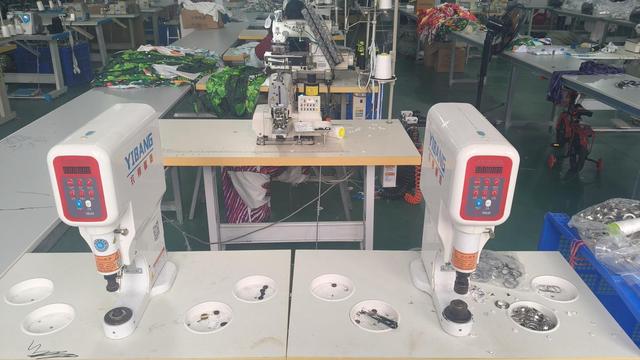
Apparel requirements vary significantly based on geographic target markets. B2B buyers must prioritize suppliers who understand these localized nuances. In the North American market, fit consistency, durability, and a focus on size inclusivity (such as plus-size sizing charts) are key drivers. In European markets, buyers demand compliance with sustainability guidelines, chemical restrictions (REACH regulation), and refined textile hand-feel, often opting for materials like organic linen, blended silk, and fine cottons.
In contrast, markets in the Middle East favor elegant silhouettes, maxi lengths, and intricate design details, requiring specialized embellishments, lace paneling, and premium jacquards. At Beavo Fashion, our pattern makers and product developers possess deep expertise across these distinct regional specifications. We adapt our sewing patterns, seam allowances, and material selections to ensure that the final product excels in its target retail environment.
The global women’s dress manufacturing sector is experiencing rapid technological evolution. Several major trends are currently shaping the future of fashion supply chains:
Get answers to critical logistical, technical, and operational questions about manufacturing with Guangzhou Beavo Fashion.
Our standard MOQ starts at 100 to 200 pieces per style/color, depending on fabric availability and complexity. For customized styles using standard, readily available fabrics, we can accommodate lower quantities to support emerging brands. Custom-dyed or specialty jacquard fabrics may require higher MOQs to meet dye house minimums.
We implement a strict four-stage quality management system: Inline Raw Material Testing, Pilot Run Inspection, Inline Process Control, and Final Pre-Shipment Audit (AQL 2.5/4.0). We also run all garments through high-sensitivity metal detectors to ensure the absolute safety of buttons, zippers, and trims prior to packing.
Yes. We regularly work with brand-supplied Tech Packs, physical samples, CAD drawings, or even simple design sketches. Our in-house technical pattern makers can generate production-ready grading and marker files directly from your assets, maintaining accurate dimensions across your entire size run.
Sample development typically takes 7 to 10 days, depending on fabric availability. Bulk production is usually completed within 25 to 35 days after sample approval and deposit receipt. We offer expedited pathways for urgent seasonal product launches.
Yes. We source from certified spinning mills that provide GOTS (Global Organic Textile Standard), GRS (Global Recycled Standard), and OEKO-TEX Standard 100 certifications. We can also provide transaction certificates (TC) for certified sustainable fibers upon request.
A showcase of our advanced fabric applications, including pure silks, knitted jacquards, and structured cottons.
 Beavo Fashion