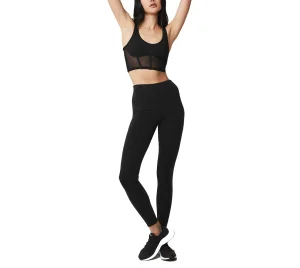
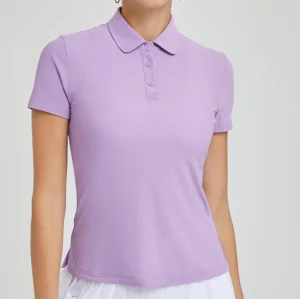
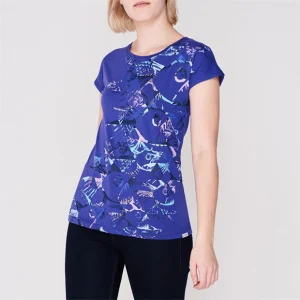

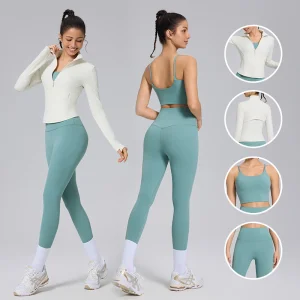
In the globalized textile sector, sourcing managers are constantly navigating the intersection of speed-to-market, price elasticity, and stringent environmental thresholds. The product category of Women's Shorts—spanning high-elastomer activewear, tailored linen, structure-heavy denim, and casual lounge pieces—demands a multi-faceted production architecture that traditional garment factories struggle to sustain. Today's global supply chain requires strategic partnerships equipped with dynamic fabric mills, digital grading systems, and ethical compliance clearances.
China remains the uncontested nucleus of apparel manufacturing, offering unprecedented supply chain density. Rather than operating as simple cut-and-sew units, leading China women's shorts factories have transitioned to comprehensive manufacturing hubs integrated with intelligent material planning networks. This technological evolution allows direct optimization of raw fiber procurement, reducing the turnaround of complex technical garments from months to mere days, giving brands a profound competitive edge in responsive retail environments.
Deploying agile production runs that support real-time inventory adjustments, lowering terminal markdown risk for e-commerce and retail brands.
Certified green processes, sourcing Oeko-Tex Standard 100 organic cottons and recycled polyester blends to align with global environmental mandates.
Leveraging high-capacity CAD fabric nesting and laser-guided cutting machines to optimize material utilization rates up to 98%.
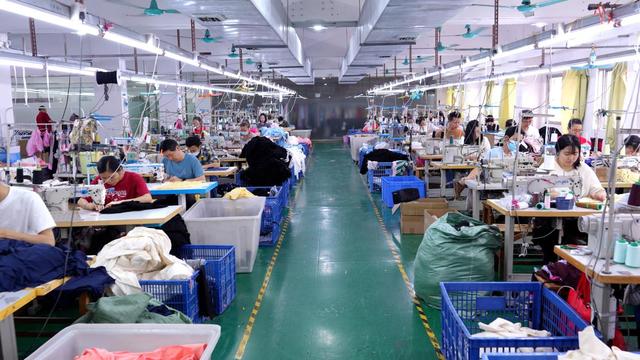
Established in 2012, Beavo Fashion operates a highly modern 8,000 square meter production center in Guangzhou, China. Staffed by over 180 apparel engineering specialists, we maintain a dedicated department for fashion design, advanced pattern crafting, strict quality controls, and swift logistics.
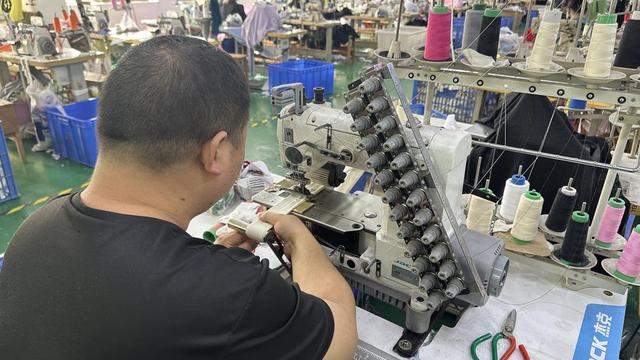
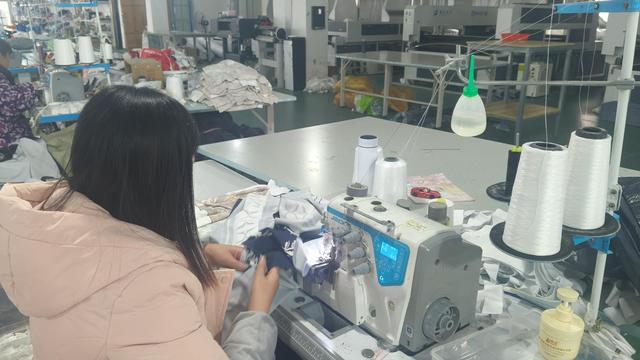
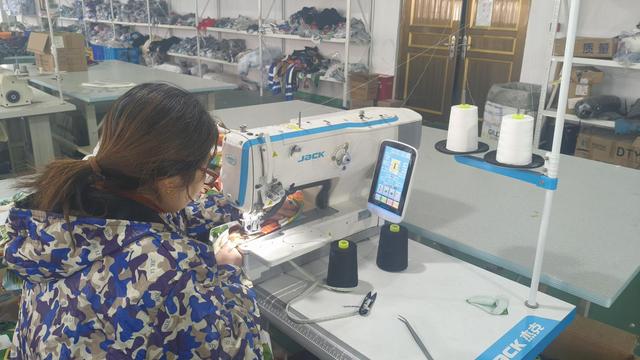
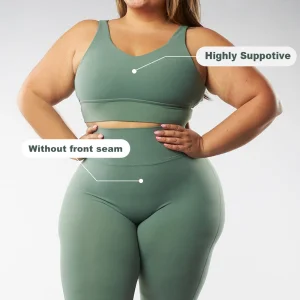
At Beavo Fashion, quality control is woven into every stage of production. Our facilities feature state-of-the-art computer-controlled sewing machines, automatic pocket-setting machinery, and specialized flatlock stations designed for durable activewear. We design and manufacture women's apparel with particular expertise in premium shorts, fitness collections, plus-size designs, fashion loungewear, and tailored casual trousers. Our deep connection with China's largest textile clusters grants us direct access to premium linens, organic cottons, heavy-knitted blends, and custom dyed fabrics.
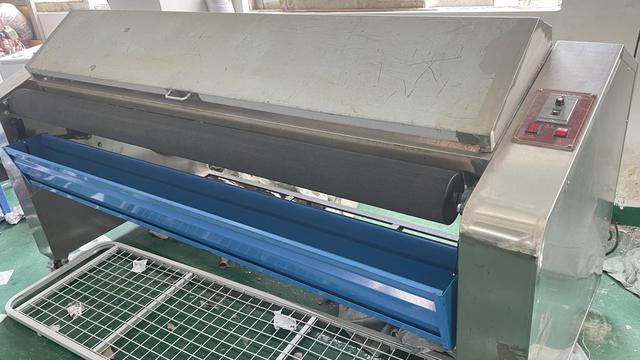
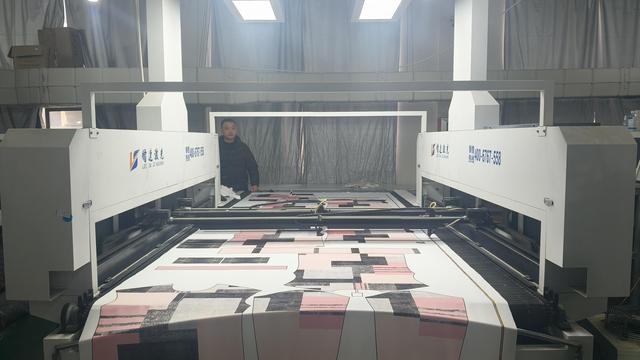
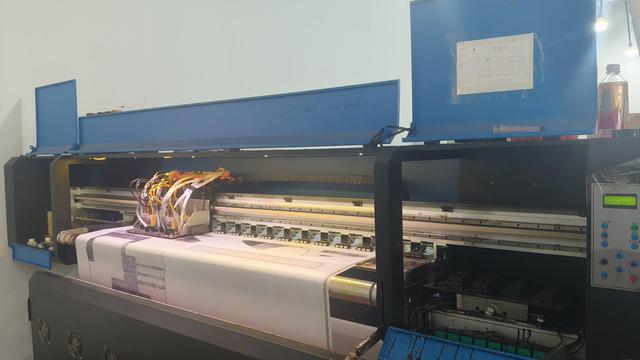
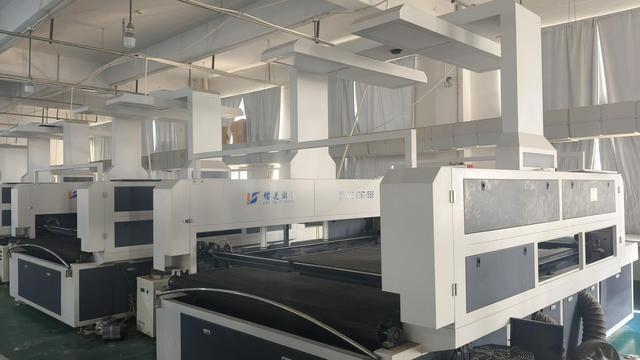
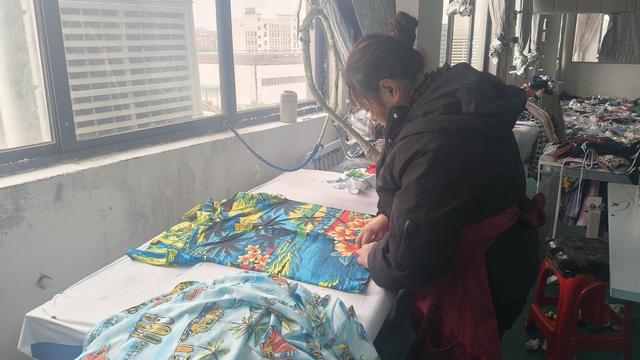
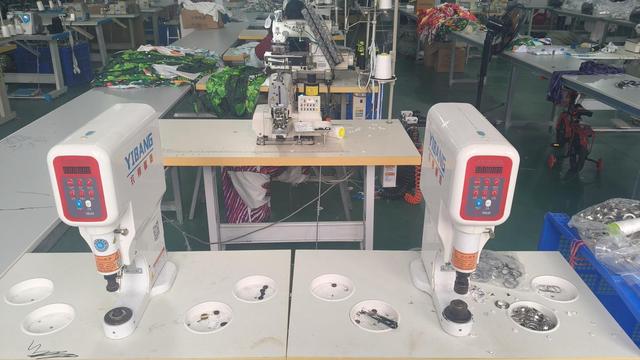
Achieving superior fit dynamics in women's shorts requires an engineered approach from raw fiber selection down to the final packaging stage.
We source and test materials for stretch, weight (e.g. 200GSM cotton, four-way stretch interlocks), colorfastness, and shrinkage limits prior to cutting.
Our expert pattern makers design and grade using modern CAD software, ensuring fits accommodate size variations accurately.
Physical mock-ups undergo strict checks on fit models to test seam strength and stretch recovery under high-stress movements.
Using computerized sewing machines, automated pocket positioning, and flatlock stitch units to ensure consistency across large batches.
Quality Assurance Protocol: Every production run of custom women's shorts goes through a three-stage quality check: inline seam integrity checks, post-assembly finishing analysis, and dynamic pull-force testing for all fasteners.
Exporting B2B apparel requires meeting rigorous international import regulations. For our clients in the United States, Europe, and Australia, we manage compliance requirements closely. This includes matching strict chemical limits under the EU's REACH regulation, ensuring mechanical safety for kids' garments under US CPSIA standards, and holding environmental certifications.
We assist our clients with duty optimization, HS-Code classification, and direct freight forwarding arrangements. Our logistics team handles air freight for tight retail deadlines and full ocean containers (FCL/LCL) for larger stock updates. This reliable approach prevents import holdups, ensuring products arrive ready for immediate distribution.
Garment manufacturing is transitioning from a labor-intensive craft to a technology-driven science. By integrating AI-driven pattern-matching software and smart fabric nesting systems, our factory has reduced waste margins by up to 15%. This step directly improves sustainability while lowering bulk unit costs for our partners.
Additionally, we use digital 3D model simulations during prototyping. Instead of relying on multiple rounds of physical samples, we can digitally adjust fabric drape, seams, and fit. This shortens the development cycle, letting brands test and launch products with less physical waste and faster turnaround times.
Here are answers to the key operational and technical questions global purchasing directors ask when sourcing from our facility.


 Beavo Fashion