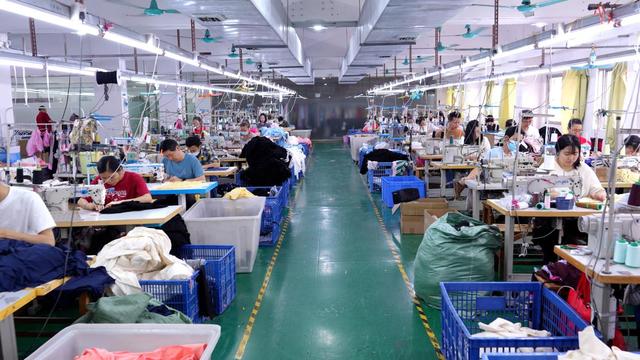
Established in 2012, Guangzhou Beavo Fashion Co., Ltd. stands as a premier modern apparel manufacturer specializing in women's fashion. Strategically operating an expansive 8,000+ square meter factory in the apparel heartland of Guangzhou, China, our ecosystem integrates design engineering, raw material sourcing, lean production, and rigorous quality assurance.
Equipped with a highly skilled workforce of over 180 garment specialists, our technical core includes advanced pattern makers, textile engineers, and 3D clothing simulation designers. Over more than a decade of industrial maturity, Beavo has transitioned from a traditional OEM (Original Equipment Manufacturer) model to an end-to-end ODM (Original Design Manufacturer) solution provider, handling everything from concept sketch development to cross-border logistics dispatching.
Our material capabilities encompass natural cotton, custom linen blends, performance polyester, high-drape rayon/viscose, and next-generation sustainable textiles (e.g., Lenzing Tencel, recycled polyester, organic hemp). This comprehensive capability enables us to serve leading enterprise apparel brands across North America, Europe, Australia, and the Middle East.
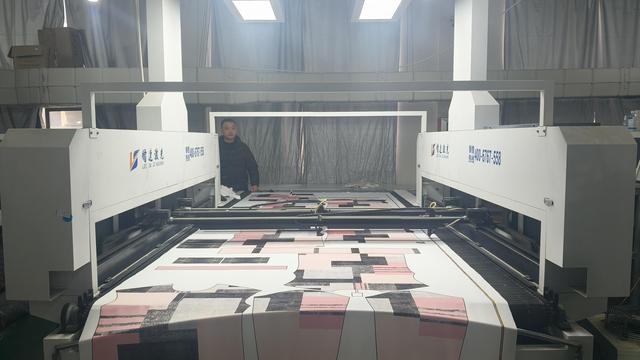
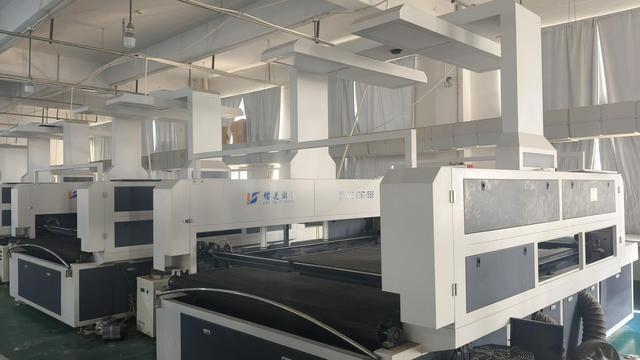
We believe that flexibility and technical prowess are the backbones of modern garment sourcing. By deploying state-of-the-art CAD systems for nesting and layout optimization alongside computerized cutting machines, we reduce fabric waste by up to 15% compared to manual processes. This efficiency translates directly into cost advantages for our global retail partners.
With structured production scheduling, we accommodate low minimum order quantities (MOQs) for emerging private-label brands while executing large-scale, high-volume production runs with consistent turnaround times.
Guangzhou acts as the global nexus for textile raw materials. The proximity to raw fiber processing, yarn spinning mills, and dyeing houses gives manufacturers access to thousands of fabric configurations in real-time. Whether sourcing OEKO-TEX certified organic linens or custom-dyed performance blends, we reduce material lead time by up to 60% compared to Southeast Asian alternatives.
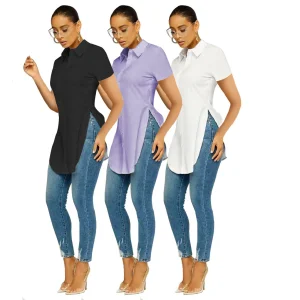
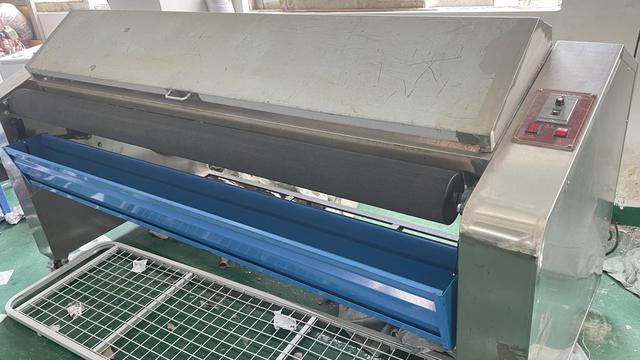
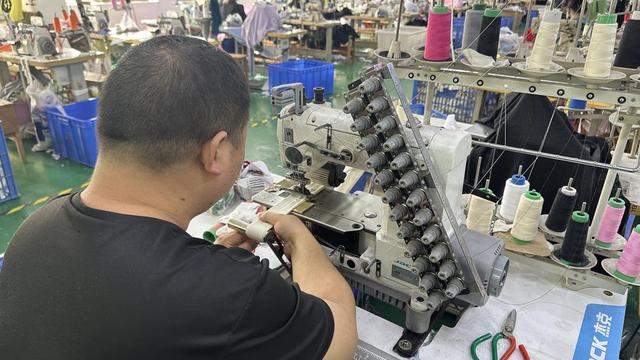
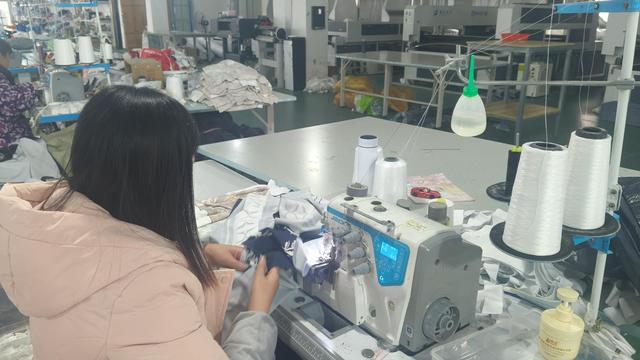
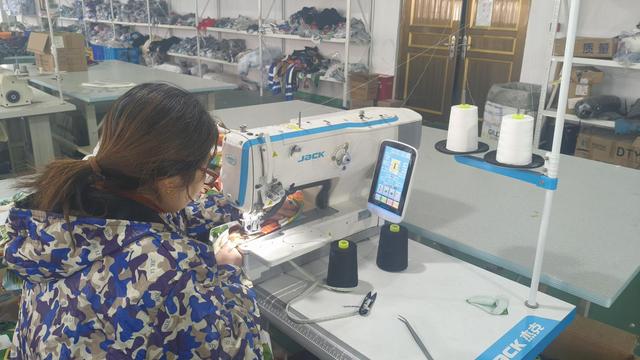
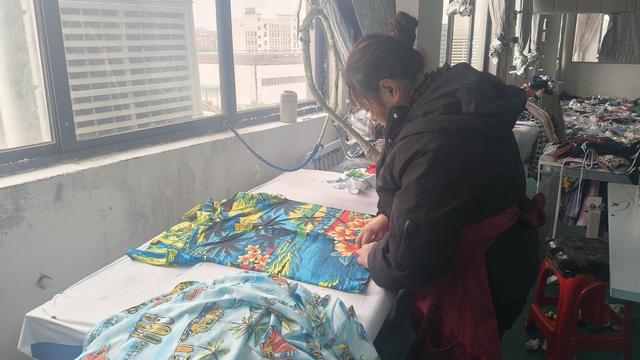
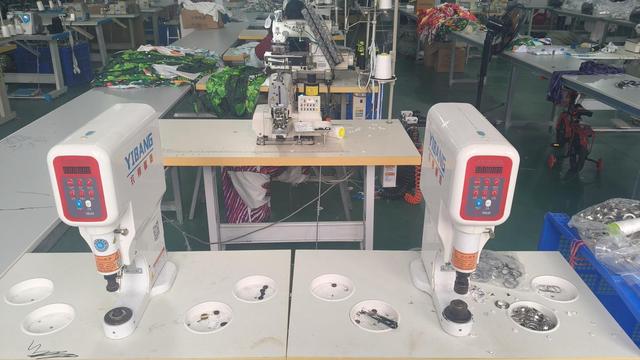
Women's tunics require high drape stability, precise neckline sizing, and balanced hems. Our facilities employ programmable electronic lockstitch machines, automatic pocket welters, and templates to handle complex structural sewing. By digitizing our workflow, we ensure that bulk output aligns perfectly with tech pack specifications.
With an in-house design team, we convert sketches or Reference Samples into precise physical or 3D patterns within 48 to 72 hours. This rapid loop enables brands to capitalize on emergent search trends, shortening the conceptualization-to-retail cycle to under 20 days.
While basic sewing labor costs have risen globally, China's total cost of ownership (TCO) remains unmatched for complex garments like tunics. When considering yarn yield rates, defect ratios, custom duty processing, and maritime shipping infrastructure, the Chinese supply chain minimizes hidden losses. A lower reject rate, coupled with specialized pattern engineering, ensures that bulk orders deliver a higher retail markup potential for international buyers.
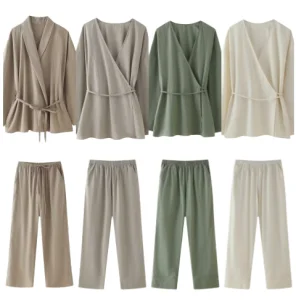
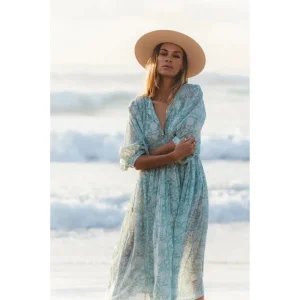
A tunic is more than an extended top. It requires exact balance between shoulder suspension, side vents, and dynamic drape. Here is how Beavo constructs export-grade tunics for international retail networks.
Different markets dictate distinct fabric weights (GSM). For summer resort wear tunics, we specialize in light, highly breathable fabrics ranging from 110 to 140 GSM (such as premium flax linen and rayon crepe). For autumn layering collections or structured workwear tunics, we implement custom double-knits, twills, and heavy cotton blends ranging from 180 to 240 GSM.
To prevent raw edges from fraying after multiple washes, Beavo utilizes french seams, overlocked margins, and double-needle bottom hems. Necklines—the critical visual center of any tunic—are reinforced with interlinings matched to the main fabric's elasticity, ensuring shape retention even in stretch viscose variations.
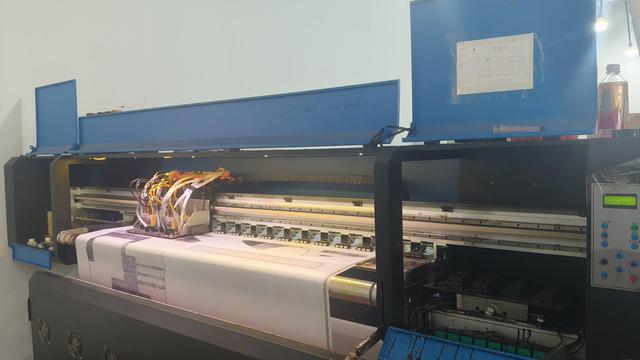
We deploy digital direct-to-garment (DTG) printing, sublimation for polyester blends, and traditional rotary screen printing. All dyeing facilities comply with local environmental standards, utilizing non-toxic, Azo-free dyes that exhibit high color-fastness ratings (Grade 4+ against washing and perspiration testing).
| Fabric Blend | Ideal GSM Range | Best Fit Style | Main Benefit |
|---|---|---|---|
| 100% Organic Linen | 120 - 150 GSM | Boho Beach Tunics | Hypoallergenic, Breathable |
| Viscose/Rayon Crepe | 130 - 160 GSM | Flowy Casual Tunics | Superb Drape, Silky Texture |
| Cotton/Spandex Blend | 180 - 220 GSM | Athletic/Active Tunics | Shape Memory, 4-Way Stretch |
| Recycled Polyester | 140 - 180 GSM | Utility & Uniform Tunics | High Durability, Low Crease |
Modern consumers demand supply chain transparency. We are seeing a major shift toward certified materials like GOTS organic cotton, FSC-certified viscose, and recycled polyester. Sourcing green-certified tunics helps brands capture eco-conscious segments and mitigate incoming carbon-border adjustment tariffs.
The boundary between casual loungewear and office attire is blurring. Popular styles feature modular drawstrings, roll-up sleeves, hidden tech pockets, and side slits that accommodate active movements. Adaptable silhouettes allow a single SKU to serve multiple use-cases.
Leveraging customer search data and purchasing intent helps factories and brands run small initial test batches (e.g., 100-300 units). Once market demand is validated, our factory uses quick-response supply chains to scale production rapidly, minimizing unsold inventory risks.
Demands: Plus-size styling, relaxed fits, low-maintenance wash-and-wear fabrics. High popularity for Athleisure tunics that transition from home to errands.
Sizing: US standard size runs (XS to 4XL) with generous hip room and comfortable armhole drop to accommodate diverse body silhouettes.
Demands: Eco-friendly natural fibers (linen, organic cotton, hemp). Minimalism and Earth tones dominant. High interest in certified social compliance.
Sizing: True-to-size EU grading sheets. Focus on sleek lines, narrow cuffs, and clean button plackets for a polished aesthetic.
Demands: High UV resistance fabrics, coastal/resort styling, vivid resort prints, and light linen-cotton blends suited for hot coastal summers.
Sizing: Lightweight oversized profiles that double as swimsuit coverups, featuring dynamic high-low hems and open collars.
B2B buyers face volatile geopolitical tariff environments. To address this, we optimize product categorization and coordinate with duty-drawback systems where applicable. By choosing specific fabric classifications and trim components, we help clients legally minimize duty exposure during custom clearance.
Large-scale brands cannot afford supply chain disruptions due to compliance failures. Guangzhou Beavo Fashion Co., Ltd. operates with total transparency. We undergo periodic audits covering safe working environments, fair wages, zero child labor, and responsible environmental footprinting. This makes us an ideal choice for brands looking to protect their equity.
For large procurement runs, reliance on single cargo routes poses risks. We provide diversification strategies:
Our standard MOQ starts at 100 to 300 pieces per style/color, depending on fabric availability and complexity. For customized colors or proprietary fabric blends that require dedicated dyeing runs, the MOQ can range up to 500 pieces. We offer initial trial orders for emerging brands to test their target markets.
Sample development typically takes 3 to 7 working days once the tech pack or design reference is received. Bulk manufacturing ranges from 15 to 35 days after deposit payment and pre-production sample approval, depending on order size and scheduling.
Yes. We source OEKO-TEX Standard 100 certified materials, organic linen, and recycled polyester blends. We provide corresponding certificate documentation from our raw material suppliers, allowing brands to carry eco-friendly claims in their final retail listings.
Our in-house pattern department works with established size charts for North America, the European Union, the United Kingdom, and Oceania. We can also grade patterns from custom base-size measurements to ensure fit consistency for your brand.
We employ a multi-layered quality control system: Incoming Quality Control (IQC) for fabric and trim checking, In-Process Quality Control (IPQC) along the sewing lines, and Final Quality Control (FQC) before packaging. We inspect according to AQL 2.5 standards and welcome third-party inspection agencies (SGS, Intertek) prior to dispatch.
 Beavo Fashion