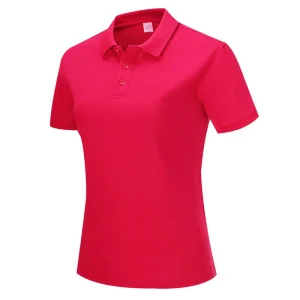
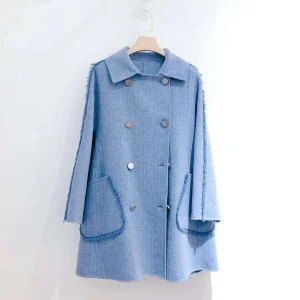
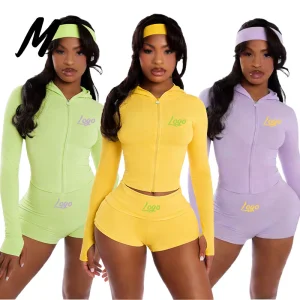
Discover premium womenswear, activewear, and outerwear styles crafted under strict OEM & ODM quality control frameworks.

In the rapidly changing landscape of the global apparel industry, women's chunky sweaters represent a significant segment of the high-margin knitwear market. Valued for their texture, warmth, and aesthetic flexibility, chunky sweaters (typically defined as garments knit on 3-gauge, 5-gauge, or 7-gauge computerized machinery) demand deep technical expertise in fiber selection, yarn twisting, tension management, and panel linking.
For enterprise fashion procurement officers and supply chain directors, choosing the right manufacturer is not merely an issue of transaction costs; it is a long-term strategic decision. The production of heavy-gauge knits involves complex manufacturing processes that can lead to common quality issues, such as uneven stitching, thread slippage, heavy pilling, or excessive shrinkage. This comprehensive whitepaper provides an analytical breakdown of global sourcing ecosystems, outlining the core capabilities of the world’s leading chunky knitwear factories, and offering a roadmap for strategic sourcing, compliance alignment, and technical quality assurance.
The international supply chain for women's heavy knits is concentrated in distinct geographic clusters, each offering specific strategic advantages based on batch sizes, lead times, and materials.
Centering around Southern and Eastern China (particularly Guangdong and Zhejiang provinces), this hub dominates high-efficiency production. Advanced automated knitting flatbeds (Shima Seiki and Stoll) combined with integrated yarn mills support robust OEM/ODM production pipelines.
Turkey and Eastern Europe serve as critical nearshore partners for the EU market, providing rapid replenishment cycles (4–6 weeks) and specializing in specialty fibers like mohair, wool, and alpaca blends.
Bangladesh and Cambodia offer high-volume production paths for basic heavy knits (e.g., acrylic and cotton-acrylic blends). While lead times are longer, they provide high value for large-volume retail programs.
Experienced sourcing managers evaluate potential suppliers using distinct technical metrics rather than unit pricing alone. When sourcing thick, heavy-gauge sweaters, specific structural and machine capabilities must be evaluated:
True chunky knitwear requires 3-gauge (needles per inch) or 5-gauge machines. Ensure the factory houses specialized heavy flatbed knitting machines capable of managing thick multi-ply yarns without dropping stitches or creating tension variations.
Heavy-gauge panels must be linked together with precise, elastic, and durable seams. Sourcing teams look for facilities utilizing skilled manual linking processes alongside modern automated linking systems to prevent seam bulkiness.
Leading manufacturers hold Global Recycled Standard (GRS), Responsible Wool Standard (RWS), Oeko-Tex Standard 100, and BSCI/Sedex social compliance certifications, ensuring compliance with global environmental policies.
Guangzhou Beavo Fashion Co., Ltd. is a professional Women's Clothing Manufacturer | Custom Fashion Apparel Supplier | OEM ODM Garment Factory dedicated to delivering high-quality fashion solutions for global apparel brands, wholesalers, retailers, e-commerce sellers, and private-label businesses.
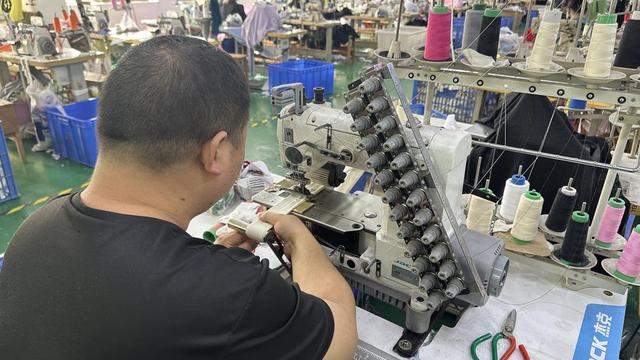
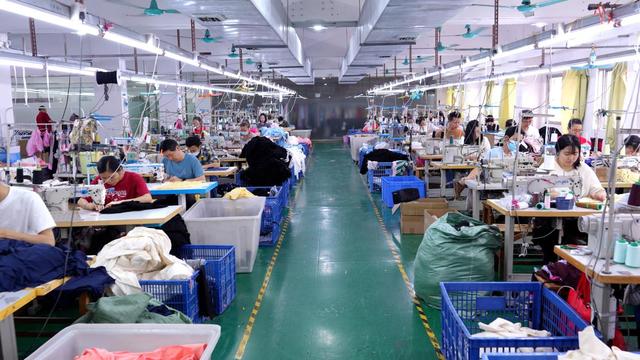
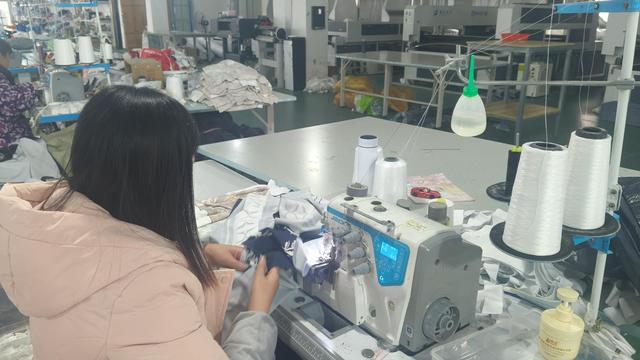
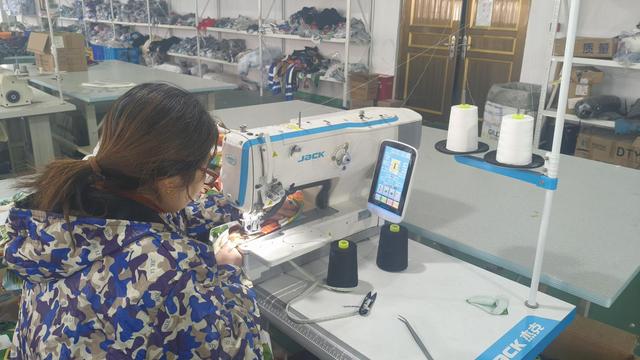
Established in 2012, Beavo Fashion operates a modern manufacturing facility covering over 8,000 square meters in Guangzhou, China, with a team of more than 180 skilled employees, including experienced designers, pattern makers, quality inspectors, and production specialists. The company specializes in the development and production of a wide range of women's apparel, including dresses, tops, blouses, skirts, pants, outerwear, knitwear, activewear, loungewear, and plus-size fashion collections.
As a reliable OEM and ODM garment manufacturer, Beavo Fashion offers comprehensive services from concept development and fabric sourcing to sampling, bulk production, packaging, and global logistics support. The company works with various materials such as cotton, polyester, rayon, linen, spandex blends, and sustainable fabrics to meet diverse market demands and fashion trends.
Quality is at the core of every production process. Beavo Fashion implements strict quality control procedures and follows international manufacturing standards to ensure consistency, durability, and customer satisfaction. Flexible production capabilities allow the company to support both small-batch custom orders and large-scale wholesale manufacturing projects.
With strong design innovation, efficient production management, and a customer-focused approach, Guangzhou Beavo Fashion Co., Ltd. has established long-term partnerships with clients across North America, Europe, Australia, the Middle East, and emerging global markets.
Beavo Fashion is committed to helping fashion brands grow through reliable manufacturing, competitive pricing, fast delivery, and customized apparel solutions tailored to evolving consumer preferences worldwide.
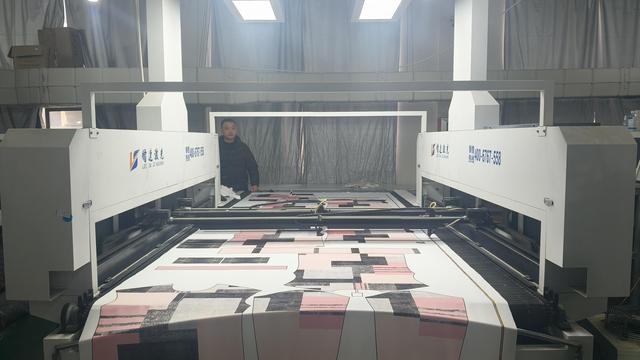
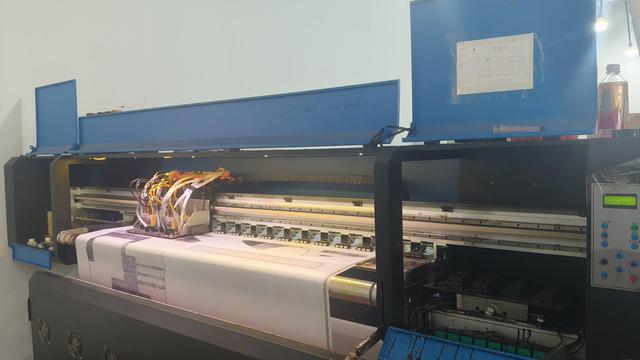
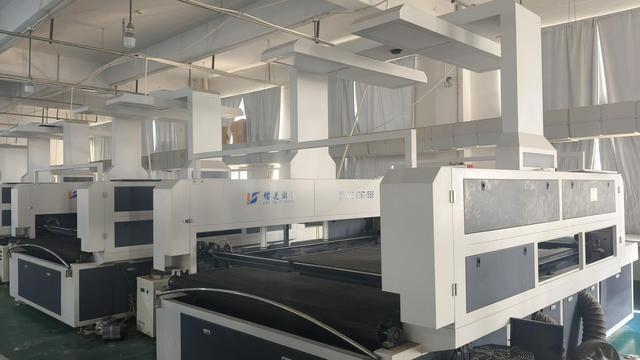
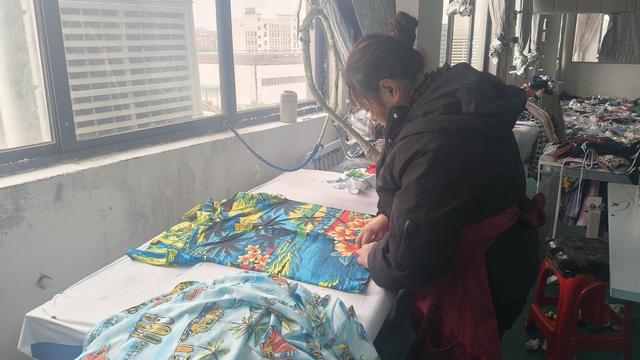
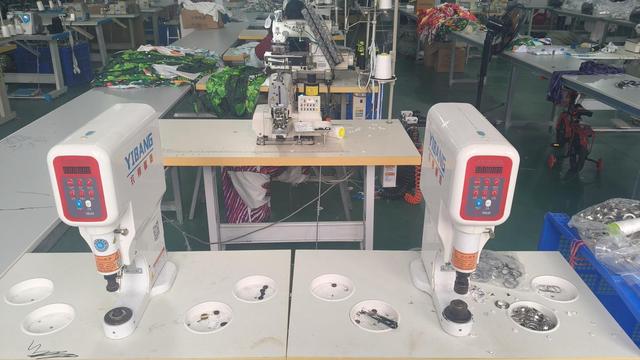
The manufacturing of heavy knits is evolving through technological innovations that optimize both material sustainability and process automation. The technical roadmap below highlights key advancements that top-tier factories utilize:
Technologies such as Shima Seiki's WholeGarment system knit the entire sweater in a three-dimensional pocket, eliminating the need for post-knitting linking. This reduces fabric waste to almost zero while providing comfortable seams.
The market is shifting toward recycled polymers, organic cottons, and certified wools (RWS). Advanced spinning techniques ensure that recycled yarns maintain the structural strength needed for heavy chunky knits.
CAD software integrated with predictive AI simulates drape, tension, and texture before yarn is fed into flatbeds. This accelerates sample generation, moving from concept to physical prototype in less time.
Computerized feed systems dynamically adjust the tension of thick fibers. This reduces variations in panel size, ensuring consistent sizing across large production runs.
Enterprise-level sourcing demands balance. Brands require low Minimum Order Quantities (MOQs) to minimize inventory risk, alongside scalable production capacities to support fast-selling items. Advanced factories address this challenge through strategic manufacturing workflows:
Flexible Assembly Lines: Modern manufacturers separate the knitting process from the final assembly phase. Sweaters are knit in modular panels that can be held as work-in-progress (WIP) stock. Once sales data confirms demand for a specific design, these panels are dyed, assembled, and finished, shortening lead times down to 14 days for repeat orders.
Raw Material Buffering: Top manufacturers pre-order common base yarns—such as acrylic-cotton blends and merino wool blends—in ecru (undyed) state. Sourcing raw materials in bulk allows them to offer lower MOQs (e.g., 100–300 pieces per style) while maintaining cost advantages.
Moving large volumes of heavy knitwear across borders requires adherence to international textile standards and customs regulations. Below is a structured checklist utilized by global sourcing offices to evaluate manufacturer reliability:
The FTC (US) and EU textile regulations require precise fiber composition labeling. Partnering with ISO-certified testing labs (such as SGS or Intertek) ensures that yarn blends are accurately documented to prevent customs delays.
Leading suppliers offer detailed Certificate of Origin documentation. This helps buyers utilize regional free-trade agreements (like GSP, EVFTA, or USMCA) to reduce import duty impact.
Social compliance is critical. Choose factories that regularly undergo third-party audits, such as Sedex (SMETA) or BSCI, to ensure fair wages, safe working environments, and transparent production pipelines.
Technical answers to key questions asked by retail sourcing directors and garment developers.
From premium wool coats to activewear, browse our full range of manufactured designs.
 Beavo Fashion