Discover premium apparel engineering, combining functional sport performance, loungewear elegance, and reliable cold-weather protection.
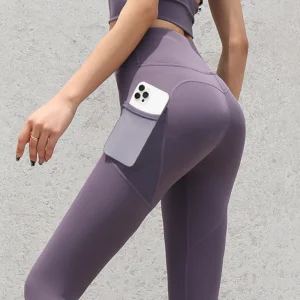
Women's High-Waist Elastic Waist Breathable 100% Polyester Seamless Yoga Pants
Learn More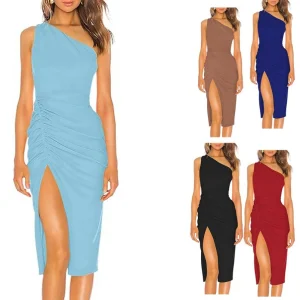
Women's One-shoulder Pleated Sheath Dress Sexy Sleeveless Slit Mid-length Party Cocktail Wedding Guests
Learn More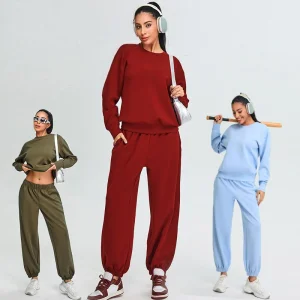
2025 Fall Winter Spandex/Nylon Lounge Set Women Loose Fit Breathable Hoodie Yoga Outfit Front Soft Comfortable Casual Sportswear
Learn More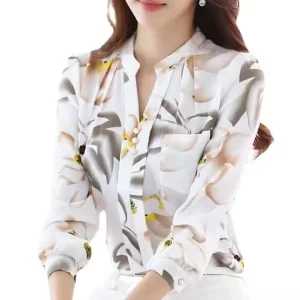
Elegant Plus Size Blouse New Fashion Women's Long Sleeve Chiffon Shirt Women Blouse Top Printed Shirts
Learn More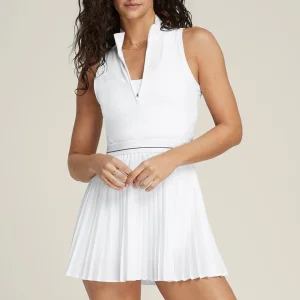
Tall Maternity Ballerina Racerback All in One Tall Lace Shorts for Polo Ballerina Golf Pleated Tennis Dress
Learn More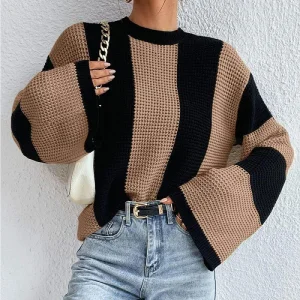
TIXOM Women's Autumn Season Casual Sweater Top With Front Logo Breathable Knitted Long Sleeves And Wide Stripes
Learn More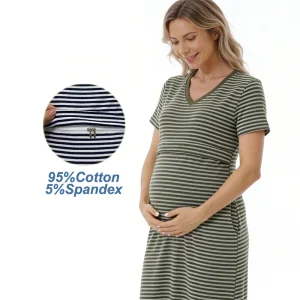
Summer Maternity Dress Loose Breastfeeding Dress Stripe V-neck Short Sleeve Nursing Dress for Pregnant Women Casual Nightwear
Learn More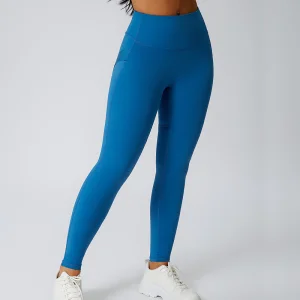
Customizable Women's Full Length Wrinkle-Resistant Solid Pocket Yoga Tight Pants High Waist Breathable Spandex/Nylon Fitness
Learn MoreA data-driven assessment of the global women's outerwear manufacturing ecosystem.
Navigating the global sourcing market for women's outerwear requires an understanding of both design aesthetics and functional performance. Outerwear is distinct from basic apparel; it requires meticulous weatherproofing, structural integrity, and premium fill systems. Top-tier manufacturers must integrate sophisticated seam-sealing, water-repellent treatments, and strict insulation sourcing standards while adapting to fast-fashion schedules.
Guangzhou Beavo Fashion Co., Ltd. has established a robust ecosystem since 2012, addressing these specialized requirements. With over 180 skilled technicians, the brand supports large-scale wholesalers, private labels, and high-growth e-commerce ventures. We bridge the gap between design concepts and scalable retail products by maintaining reliable lead times and high material quality standards.
When assessing a women's outerwear manufacturer, brands should look beyond basic minimum order quantities (MOQs). High-performing factories rely on advanced pattern-making software, automated laser cutting, and certified eco-friendly insulation suppliers (e.g., RDS-certified down or OEKO-TEX synthetics). Modern compliance standards also require transparent supply chains that can withstand shifts in global trade policy.
Our analysis evaluates how manufacturers utilize intelligent planning systems (like ERP and MES) to optimize cut-to-ship cycles. This technical efficiency helps brands reduce inventory carrying costs and scale production quickly to meet seasonal demand changes.
Technical considerations, localization support, and structural advantages in modern garment production.
For brands importing outerwear into the US, EU, and UK markets, compliance with local chemical and environmental regulations is essential. The fashion industry is shifting away from per- and polyfluoroalkyl substances (PFAS) in durable water-repellent (DWR) coatings. Top-tier manufacturers are transitioning to silicon-based and plant-derived wax treatments to meet strict EPA and REACH regulations.
Additionally, consumer demand for transparency requires certifications such as the Global Recycled Standard (GRS) and the Responsible Down Standard (RDS). These standards verify that thermal fills are sourced humanely and sustainably. Ensuring compliance at the factory level reduces customs delays, mitigates product liability issues, and supports long-term brand equity.
"Modern outerwear sourcing must balance functional performance with chemical safety. Factories that proactively offer certified eco-coatings and supply-chain tracking help protect brands from shifting regulatory penalties."
China remains a primary sourcing hub for technical outerwear due to its well-integrated supply chain clusters. In regions like Guangdong, Zhejiang, and Jiangsu, factories operate near specialized raw material markets. This proximity allows manufacturers to source technical membrane fabrics, functional linings, and YKK trims in days rather than weeks.
| Sourcing Metric | China (Guangdong/Zhejiang Cluster) | Southeast Asia (Vietnam/Cambodia) | Nearshoring Hubs (Turkey/Mexico) |
|---|---|---|---|
| Fabric Availability | Immediate access to advanced technical & recycled materials | Relies largely on imported fabrics, extending timelines | Moderate fabric options, higher reliance on imports |
| Technical Expertise | Highly skilled in complex seam-taping and laser cutting | Strong in high-volume, less complex sewing work | Skilled tailors, but limited specialized machinery |
| Lead Times (Design to Port) | 35 - 50 Days (highly optimized) | 60 - 90 Days (import/export dependencies) | 20 - 35 Days (logistical advantage) |
| Production Flexibility | High - supports both small custom and large bulk runs | Low to Moderate - prefers large, uniform runs | Moderate - adaptable to regional market demands |
The distinction between basic manufacturing and strategic partnership lies in product development support. Original Design Manufacturing (ODM) services help brands convert mood boards into production-ready specifications. Skilled pattern makers optimize seam layouts to improve yield and reduce fabric waste, which can lower manufacturing costs by up to 15%.
By using 3D CAD modeling, partners like Guangzhou Beavo Fashion Co., Ltd. let designers visualize drape and fit virtually. This process reduces the need for multiple physical samples, helping brands get to market faster and reducing environmental waste during the development phase.
From fabric sourcing to final quality inspection, here is how premium outerwear is made.
We work with brands to draft tech packs and source durable, high-performance fabrics. Material tests are run to verify water column resistance, air permeability, and warmth-to-weight ratios.
Using advanced 3D CAD pattern software, our engineers create digital prototypes. This optimizes the fit for various body shapes and minimizes material waste during cutting.
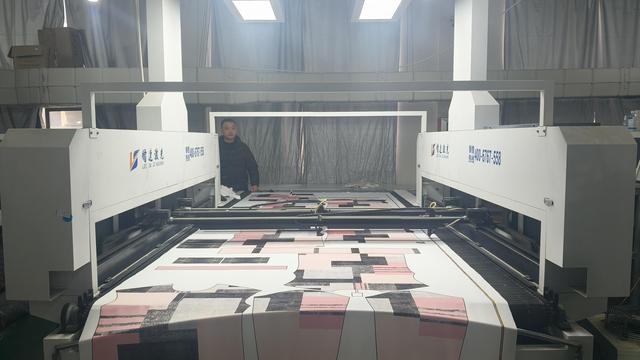
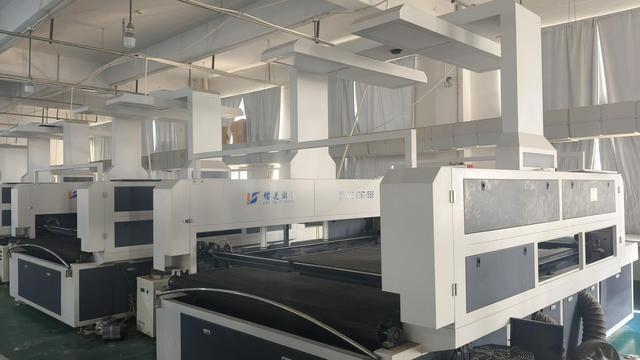
Computer-controlled cutting tables slice fabric panels with millimeter accuracy. This ensures consistent sizing across all batches, particularly for complex outerwear styles.
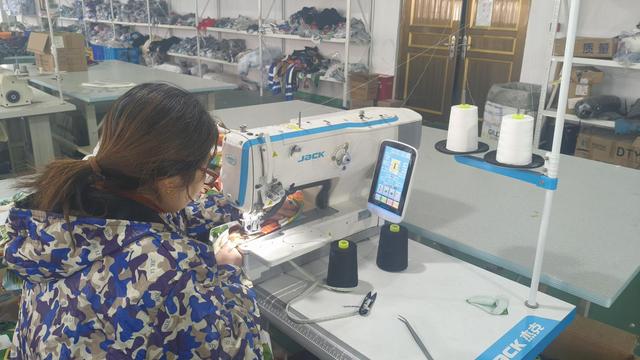
Seamstresses join technical fabrics using specialized stitch counts, seam taping machines, and custom quilting lines to keep down or synthetic fill evenly distributed.
Finished garments undergo stress tests, including water penetration trials and button/zipper pull-strength tests, to verify durability under real-world conditions.
Quality assurance teams conduct systematic checks using AQL 2.5 standards, confirming clean stitching, accurate measurements, and secure packaging before export.
A review of ten leading manufacturers specializing in women's technical apparel, outerwear, and fashion collections.
Established in 2012, Beavo Fashion is an OEM and ODM apparel manufacturer based in Guangzhou, China. The factory covers over 8,000 square meters and houses advanced production equipment and sewing lines. They specialize in high-quality women's garments, including tailored outerwear, casual jackets, down coats, activewear, and lounge sets. Their vertical integration—from design and material sourcing to pattern making and quality control—helps streamline the production cycle for global retail brands.
Known for its fabric development and spinning capabilities, Luthai is a large-scale manufacturer that produces high-end shirts and outerwear. Their vertical integration provides brands with fabric quality control and yarn-dyed material customization, making them a preferred choice for formal and tailored ladies' outerwear.
Partnering with global luxury and fast-fashion brands, Chenfeng Group has built a reputation for silk, cotton, and technical down jackets. Their large-scale facilities in Jiangsu and Anhui provinces utilize automation to produce high volumes while keeping defect rates low.
TAL Apparel is a major manufacturer known for garment innovation and supply chain services. They produce high-performance rainwear, jackets, and coats for leading retail brands. Their focus on manufacturing technology allows them to offer features like wrinkle-resistant finishes and advanced seam bonding.
Esquel specializes in cotton-based garments and is recognized for its sustainability initiatives, particularly its closed-loop water systems and eco-friendly dyes. They manufacture smart-casual outerwear and light utility jackets for eco-conscious brands.
As a prominent outdoor and athletic apparel manufacturer, Youngone produces high-end down outerwear, technical shells, and sportswear. With factories in Bangladesh, Vietnam, and El Salvador, they serve outdoor brands requiring specialized seam sealing and insulation.
Shenzhou is a major knitwear and outerwear manufacturer, working with major global athletic brands. Their automated knitting and dyeing processes are ideal for hybrid outerwear, performance hoodies, and knit-fleece transition jackets.
Operating a manufacturing network across Asia, Crystal International produces denim, sportswear, and outerwear. They specialize in sustainable processes and offer eco-friendly denim jackets and outerwear washes that reduce chemical usage.
Focusing on ethical manufacturing, Hela Apparel has production units in Sri Lanka and East Africa. They provide casual outerwear and activewear, offering brands duty-free access to major Western markets through regional trade agreements.
Saitex is a certified B-Corp manufacturer known for its high environmental standards. They specialize in denim, outerwear, and structured jackets, utilizing recycling systems that reclaim 98% of the water used in the washing process.
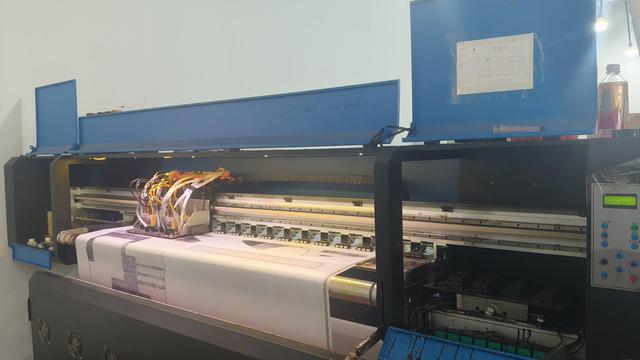
A look inside our 8,000 square meter facility, showcasing our production capacity, quality control units, and advanced sewing machinery.
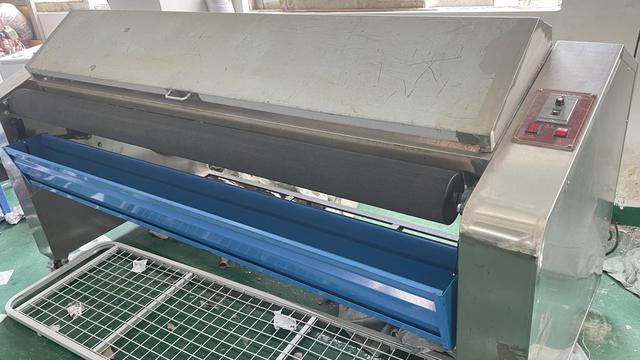
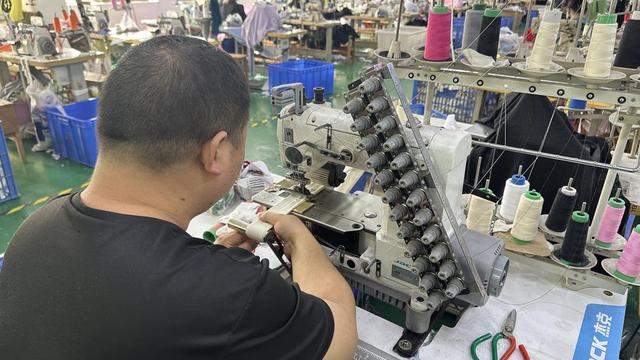
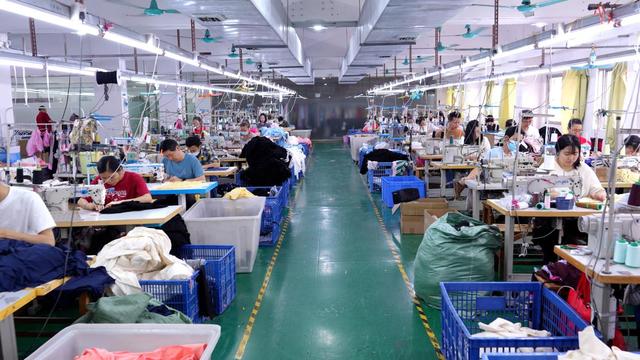
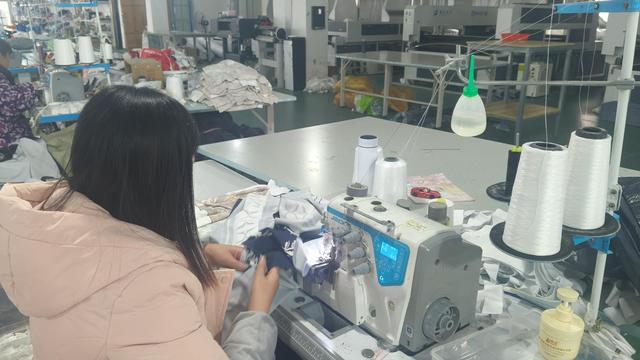
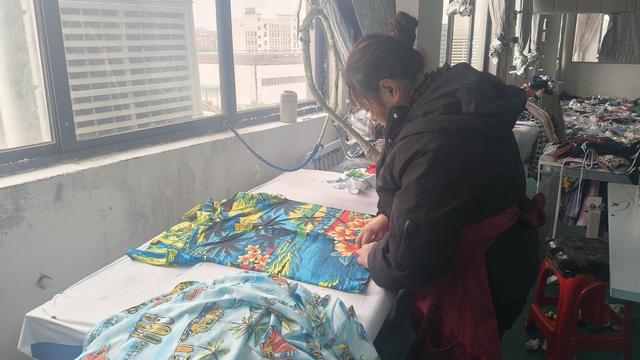
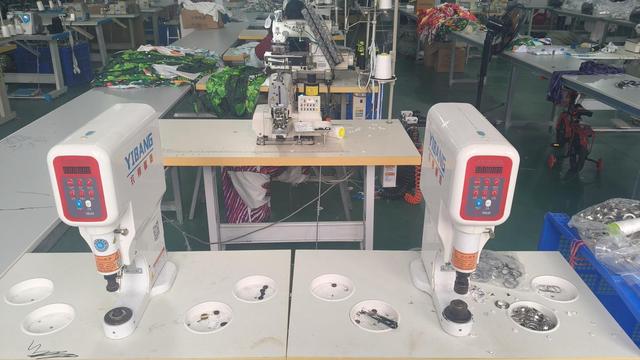
How automation and smart textiles are changing the outerwear manufacturing sector.
Consumers want versatile outerwear that provides warmth without unnecessary bulk. The demand for lightweight jackets has driven research into phase-change materials and synthetic insulation that mimics the structure of natural down. These materials maintain thermal performance even when wet, making them popular for active and travel wear.
Additionally, modern shells use breathable, windproof laminates with micro-pores that block water droplets while letting moisture escape. This balance of function and comfort is standard in high-end collections.
Brands are focusing on sustainability by choosing solution-dyed yarns and recycled content. Solution dyeing adds pigment directly to the polymer melt before spinning, which reduces water consumption by up to 80% and energy use by 50% compared to traditional piece dyeing.
Designing for circularity is also a growing trend. This involves creating outerwear from mono-materials (e.g., all-polyester zippers, buttons, shell, and fill) to simplify recycling at the end of the garment's lifecycle.
Answers to key questions for global sourcing managers and retail buyers.
The standard lead time for OEM/ODM outerwear ranges from 35 to 60 days. This timeline includes fabric sourcing, pattern approval, computer-guided cutting, assembly, and quality control. Custom dye runs or unique technical materials can add 15 to 20 days to the process.
A qualified outerwear manufacturer should hold key compliance certifications, including BSCI (Business Social Compliance Initiative), WRAP (Worldwide Responsible Accredited Production), and ISO 9001. Product-specific certifications like OEKO-TEX Standard 100 and GRS (Global Recycled Standard) help verify safety and environmental credentials.
Factories use hydrostatic pressure tests (ISO 811) to check water resistance, measuring the water pressure a fabric can handle before leaking. High-quality rainwear typically targets a rating of at least 10,000mm, while light jackets are rated between 3,000mm and 5,000mm.
For standard styles, MOQ requirements typically range from 500 to 1,000 pieces per style. However, manufacturers like Guangzhou Beavo Fashion offer lower MOQs (e.g., 100 to 300 pieces per style) for brands using stock technical fabrics or running test batches.
To prevent insulation from shifting or leaking, factories use specialized down-proof fabrics, multi-chamber quilting patterns, and double-needle stitching. In high-performance outerwear, heat-sealed baffles replace traditional sewn seams to keep fill evenly distributed and prevent cold spots.
From heavy winter protection to activewear essentials, our items are engineered for performance and comfort.
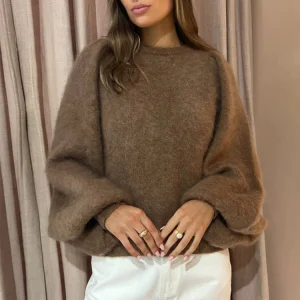
Knitwear Manufacturer Custom Fall Winter Crew Neck Long Sleeve Women Wool Mohair Pullover Knit Sweater
Learn More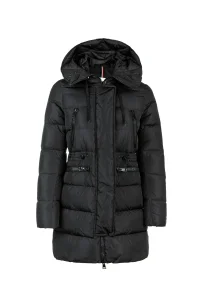
Factory Wholesale Women′ S Winter Warm Down Coat
Learn More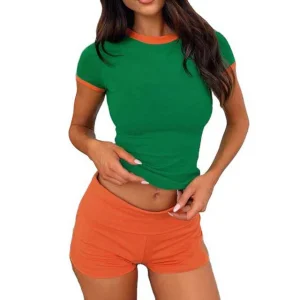
Women's Plus Size Casual Solid Front Logo 2 Piece Spring Set Short Sleeve Top High Waisted Shorts Polyester/Cotton
Learn More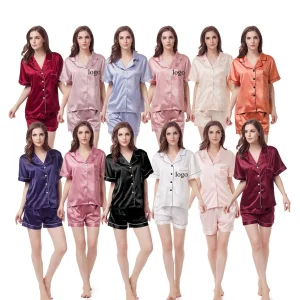
Pyjamas Women Sleepwear Plus Size Sleepwear for Lady
Learn More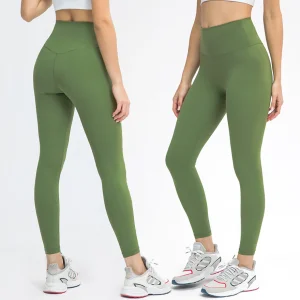
Women's High Waist Cropped Pants Double-Layered Brushed Skinny Yoga Pants Front No T-line Seam European USA Sizes Solid Pattern
Learn More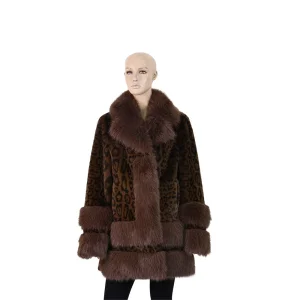
Women's Winter Faux Fur Jacket Coat
Learn More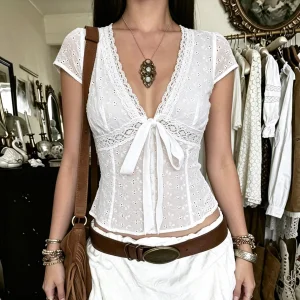
White Lace Floral Summer Sexy Vacation Style Tie Front Women's Blouse V Neck Button Front Shirt Office Workwear Top
Learn More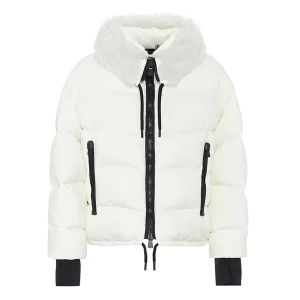
New Design Women Jacket Fashion Coat Cold Winter Wearing
Learn More Beavo Fashion