Direct access to our premium wholesale catalog. Standardizing manufacturing accuracy across diverse fabrications including organic silks, woven cottons, and performance blends.

Analyzing international consumer demand, shifting supply chain nodes, and the evolving economic fundamentals of the women's formal and resort wear sectors.
The global women’s maxi dress market has transitioned from a seasonal resort category into a multi-billion dollar year-round staple. Valued for their effortless elegance, sun-protection attributes, and universal sizing adaptability, maxi dresses represent one of the highest margins in apparel retail. Major consumer hubs including North America, Western Europe, and the Middle East continue to drive high volumes, while digital platforms allow direct distribution pathways from specialized manufacturing facilities.
As retail patterns shift, distributors require factories that offer integrated services—balancing fast replenishment models with high-grade structural finishes. From basic cotton-jersey blends to intricately embroidered georgettes, the industrial demand for dependable women's maxi dresses factories is at an all-time high.
Traditional multi-month lead times are collapsing. Modern retailers require rapid-response manufacturing frameworks. Reliable suppliers must now coordinate complex global networks encompassing localized fabric sourcing, low-waste automated marker laying, and efficient international logistics pipelines. This flexibility allows brands to mitigate inventory risks while scaling fast-selling collections without bottlenecking production resources.
To stay competitive, top-tier factories utilize sophisticated management methodologies. At Guangzhou Beavo Fashion Co., Ltd., we harmonize localized craftsmanship with automated precision. Our strategic positioning in Guangzhou gives us direct access to the world's most comprehensive fabric markets, ensuring rapid development cycles and robust sourcing options.
Technological advancement, raw material upgrades, and circular fashion strategies are redefining global production lines.
Consumer pressure and regulatory policies are driving a shift toward certified raw materials. Key materials include Lenzing Tencel, organic linens, and recycled polyesters certified by the Global Recycled Standard (GRS). High-quality factories have adjusted their wet processing methods, low-impact dye selectors, and natural fiber blends to meet eco-conscious retail demands.
Digital design tools like Clo3D and Browzwear have replaced physical sample iterations. By translating complex maxi dress drapes and pattern contours into virtual models, brands reduce sample lead times from weeks to hours, cutting down material waste and speeding up product launches.
Smart factories rely on automated fabric cutting tables, integrated IoT assembly tracking, and camera-guided sewing systems. These technologies allow factories to maintain consistent stitch counts and tension profiles, which is essential for preserving the fit of delicate silk, chiffon, and knit maxi dresses.
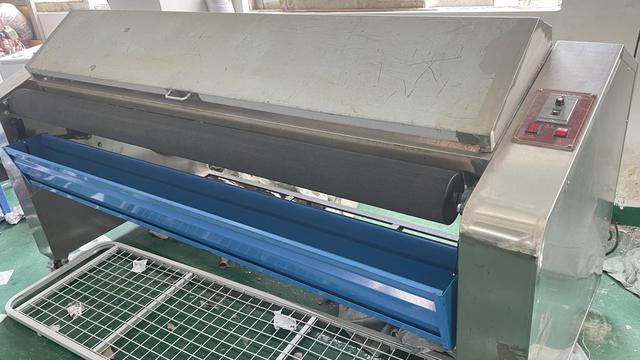
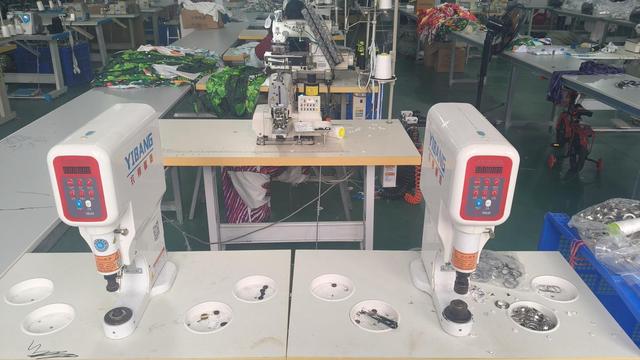
An inside look at our 8,000+ square meter factory. Featuring computerized cutting rooms, semi-automated assembly lines, and dedicated quality assurance inspection zones.
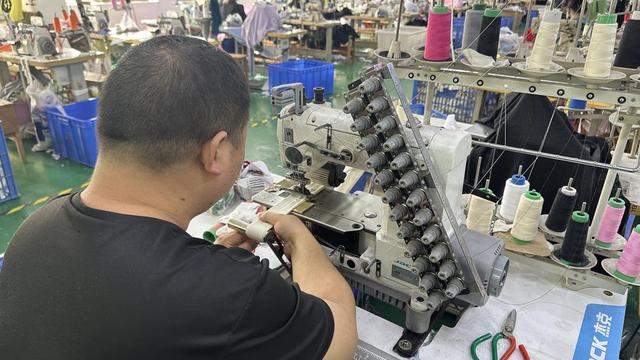
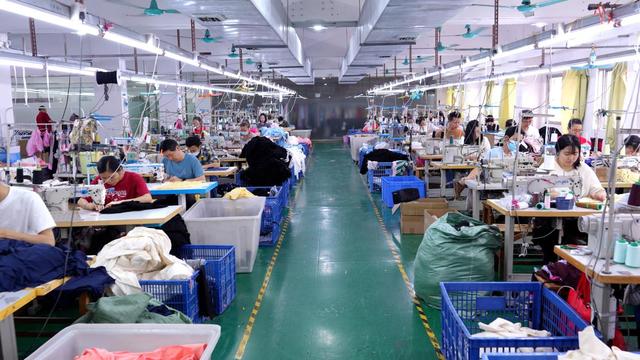
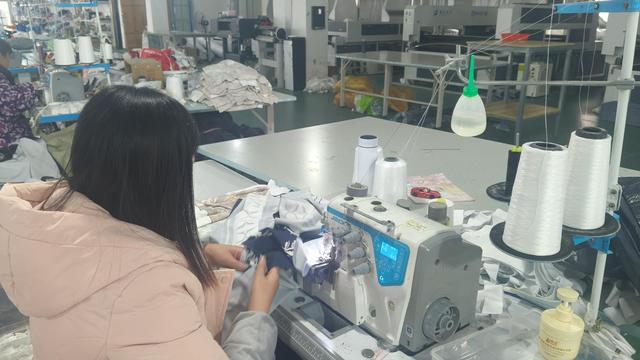
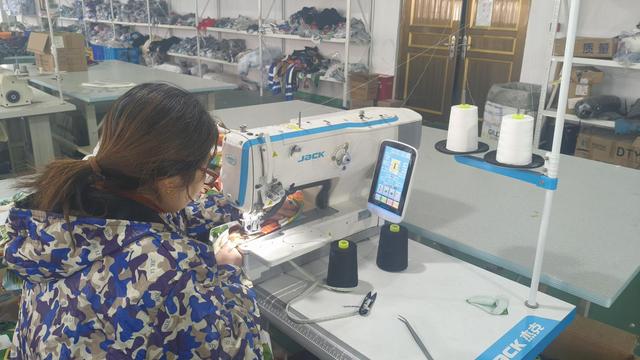
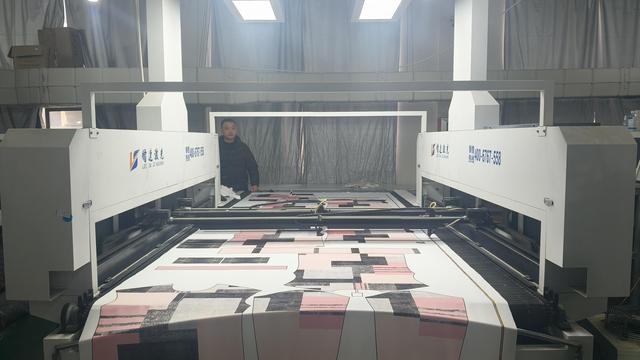
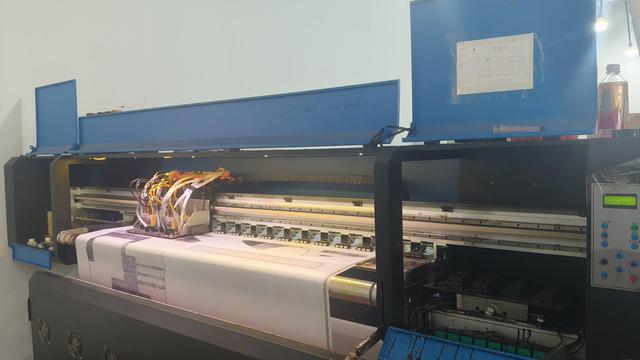
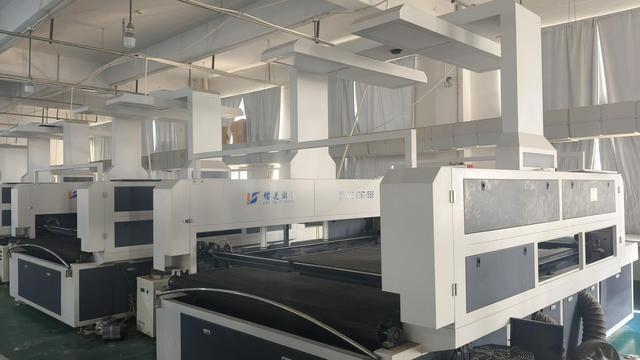
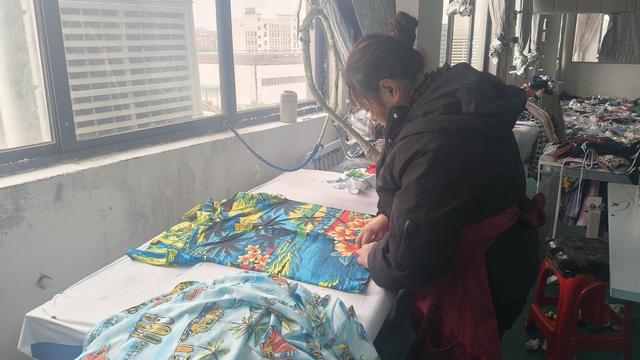
Customizing sizing, materials, and designs to meet regional consumer tastes and compliance requirements across key international markets.
In the US and Canadian markets, maxi dresses are popular for resort wear, bridal events, and casual street fashion. Key demands include inclusive sizing charts, stretch-tolerant fabrics (like cotton-elastane blends), and wash-resistant dyes. Brands sourcing for these markets prioritize durability and ease of care, often choosing pre-shrunk fabrics to maintain sizing consistency.
Europe requires strict adherence to REACH regulations, OEKO-TEX standardizations, and social compliance frameworks like BSCI. Retailers choose structured linens, organic cottons, and minimal, tailored silhouettes. Sourcing teams rely on factories that provide transparent raw material tracing, fair labor certifications, and low-waste production methods.
Modest fashion is a key driver for maxi dresses in the Gulf Cooperation Council (GCC) area. Requirements include floor-skimming hems, long sleeves, high necklines, and opaque, breathable fabrics (such as high-grammage crepe or linen). Specialized stitching techniques are used to prevent slipping, ensuring garments drape correctly while remaining comfortable in warm climates.
In Australia and New Zealand, the focus is on sun-safe, lightweight, and breathable resort clothing. There is a high demand for premium rayon-viscose blends, raw linen, and UV-blocking weaves. Local retailers prioritize vibrant, fade-resistant reactive prints and durable, double-stitched constructions that hold up well in outdoor environments.
How modern apparel factories are integrating smart automation and material science into high-volume garment production.
Brands submit digital tech packs. Pattern makers generate 3D assets to simulate drape, movement, and stress points. This reduces physical sampling, minimizes material waste, and accelerates pattern approvals before cutting begins.
Automated cutting machines process multi-layered fabric spreads. Algorithmic nesting reduces waste, while high-velocity blades ensure precise cuts for complex panels, such as bias-cut skirts and tiered maxi dress layers.
Inline scanners evaluate stitch density and seam tension, automatically routing irregularities to recovery stations. RFID trackers and QR-coded garment tickets monitor production stages, offering brands clear visibility from raw material to finished product.
How Guangzhou Beavo Fashion Co., Ltd. supports fashion brands through specialized material sourcing, pattern engineering, and scalable production capacity.
We offer customizable manufacturing runs to help clients manage risk, offering lower minimum order quantities for test collections and scaling up to handle high-volume repeat runs. This approach allows brands to validate designs before committing to larger production volumes.
Our strategic location in Guangzhou gives us direct access to major textile networks. We source a wide range of materials, including natural cotton, smooth rayon, durable linen, fine silk, georgette, and GRS-certified recycled polyesters.
Our quality assurance process spans raw fabric inspection, in-line assembly audits, and final AQL 2.5 packaging checks. Every garment is verified for dimensional accuracy, seam strength, and button/zipper functionality.
| Service Domain | Technical Capability & Sourcing Specifications | Quality Standards & Testing Protocols |
|---|---|---|
| OEM / ODM Cut & Sew | Custom pattern development, digitized sizing grading (XS–5XL), specialized bias cutting. | Tensile seam testing, wash colorfastness validation, zero-slip stitch configurations. |
| Sourcing & Fabric Dev | Access to major textile markets in Guangzhou, organic cottons, plant-based silks, recycled polymers. | OEKO-TEX Standard 100 verification, REACH chemical safety compliance. |
| Smart Prototyping | 3D apparel simulation, digital fit optimization, high-speed automated pattern nesting. | Virtual strain mapping, digital drape assessment, swift 48-hour sample turnarounds. |
| Global Logistics | Direct shipping from major ports, custom clearance processing, custom bulk packing. | Drop-test proof carton packing, anti-humidity vacuum sealing for ocean freight. |
Addressing key technical questions from purchasing managers, fashion directors, and global supply chain planners.
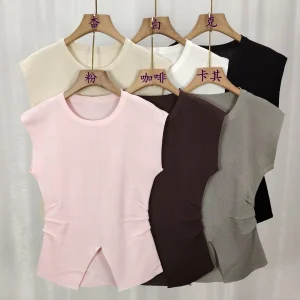
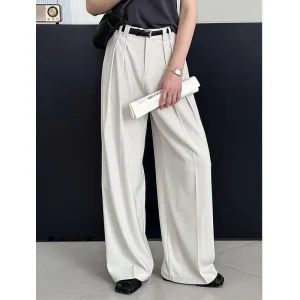
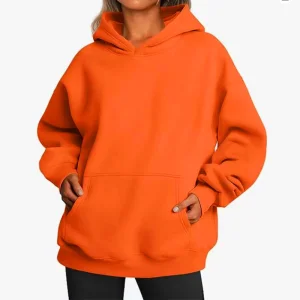
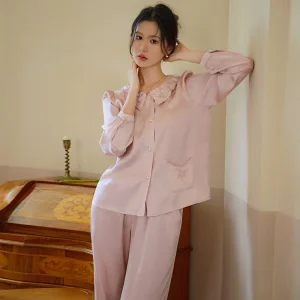
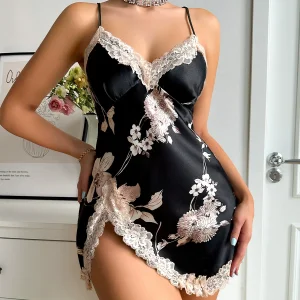
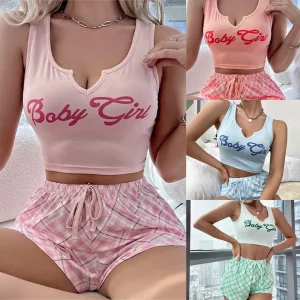
From loungewear to active silhouettes. Expanding our manufacturing systems to support your brand’s seasonal collections.
 Beavo Fashion