Optimized Global Supply Chain Network Connecting Advanced Chinese Textile Engineering with Korea's Fast-Paced E-Commerce and Boutique Retail Channels.
In the contemporary B2B global fashion arena, sourcing women’s apparel requires more than just mass-production capacity. It demands design speed, material superiority, and absolute compliance with regional standards. For South Korea's fast-paced fashion hubs, such as the Dongdaemun market and the rapidly expanding online fashion applications like Musinsa, W Concept, and Zigzag, timing is everything. Our operational model blends the high-efficiency fabric sourcing and massive capacity of our Chinese industrial footprint with the high-precision fashion sensitivities expected by South Korean consumers.
Guangzhou Beavo Fashion Co., Ltd., established in 2012, operates a modern 8,000-square-meter manufacturing plant employing over 180 skilled technicians, pattern-makers, and QA inspectors. We provide customized, sustainable, and highly technical OEM and ODM blouse manufacturing services that align with the rigorous South Korean "KC Mark" certification and eco-friendly standards. From basic cotton poplin to premium mulberry silk and innovative regenerated bamboo fibers, we craft women's blouses that speak to elegance, comfort, and durability.
Featured trending blouse structures optimized for the Korean smart-casual corporate and weekend aesthetics.
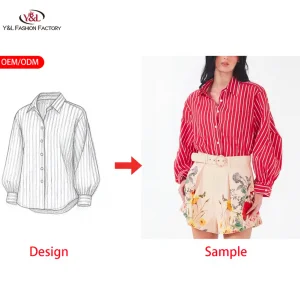
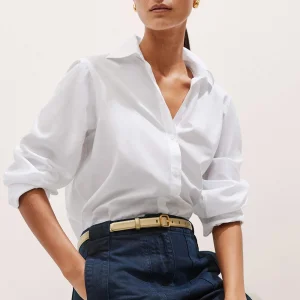
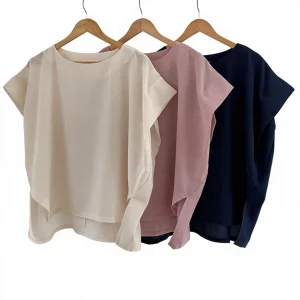
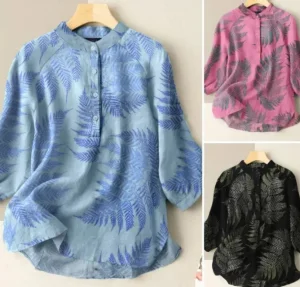
The South Korean women’s fashion market is characterized by ultra-rapid trend cycles, demanding high-quality finishing, and specific requirements for drape and fit. Unlike Western markets where sizing tends to span wide variations, the South Korean market focuses heavily on oversized, "relaxed-fit", boxy silhouettes, and structured drapes that project a "natural look" (자연스러운 핏).
Dongdaemun Ecosystem Integration: Our factory serves as a vital external production node for Dongdaemun-based wholesale agents (도매) and high-end brands (디자이너 브랜드). By coordinating closely with local buyers, we align fabric selections to match Korean trend boards which favor subtle earth tones, soft pastels, minimalist cuts, and refined textures. To survive in this market, products must look luxurious but maintain competitive margins, especially with the rise of Korean DTC (Direct-to-Consumer) platforms that benchmark high margins and zero-defect returns policy.
Climatic Adjustments: The Korean peninsula experiences distinct seasonal changes, which shape product demands. During the humid summer months (Jangma season), light, breathable, and anti-wrinkle blends like linen-cotton and chiffon dominate the market. In the crisp autumn and freezing winter seasons, Korean fashion shifts toward heavy velvets, flannel backings, and structured jacquards. Our manufacturing lines adapt instantly to these seasonal pivots, offering rapid fabric switches to protect our clients' sales cycles.
"For Korean fashion brands looking to compete in Musinsa or Zigzag, supply chain speed and fabric quality are the defining competitive margins. A delay of one week can mean missing a micro-trend. Our production lines in Guangzhou operate in direct tandem with Korean logistics nodes to ensure constant product replenishment."
Fusing Artificial Intelligence design tools, modern knitting machines, and eco-friendly raw materials for the future of Korean B2B garment distribution.
Korean consumers are highly sensitive to sustainability. We have developed specialized supply relationships for Bamboo fibers and Tencel/Modal blends. These fabrics offer superior moisture absorption, a silk-like natural sheen, and biodegradable characteristics that help brands meet the green consumption targets popular in Seoul.
To reduce waste and shorten communications from weeks to hours, we utilize CLO 3D CAD pattern software. Our designers can map a digital pattern draft onto virtual avatars, simulating drape, texture, and movement under dynamic lighting. This reduces physical sampling cycles by 70%, allowing rapid validation from Seoul design teams.
Office ladies in major metropolitan areas such as Seoul, Busan, and Daegu demand apparel that retains a crisp, polished appearance during long working hours. Our chemical engineering team applies non-hazardous, eco-certified wrinkle-resistant coatings on pure cotton bases, ensuring easy care and long service life.
Why sourcing from our Guangzhou hub creates a significant cost-quality advantage compared to localized Korean operations.
South Korea’s domestic manufacturing capacities, historically centered around areas like Changsin-dong, face challenges due to aging labor forces, surging real estate costs, and rising minimum wages. This has made local high-volume production economically challenging. Our Guangzhou-based manufacturing facilities act as the ideal structural counterweight, offering significant advantages:
Located near the world's most dense fabric markets in Guangdong, our production team can source thousands of varieties of laces, satin weaves, heavy cotton poplins, and accessory trims within hours. We pass these raw-material cost savings and variety straight onto our Korean partner brands, offering customization options that domestic Korean mills cannot match at scale.
We recognize that Korean startups and designer labels often require low Minimum Order Quantities (MOQs) to test market interest before scaling. Our modern assembly lines are divided into flexible modules. We support small-batch, multi-variety customized runs (100–300 pieces per style) alongside high-volume operations (up to 50,000 pieces per month) for mass-market fashion chains.
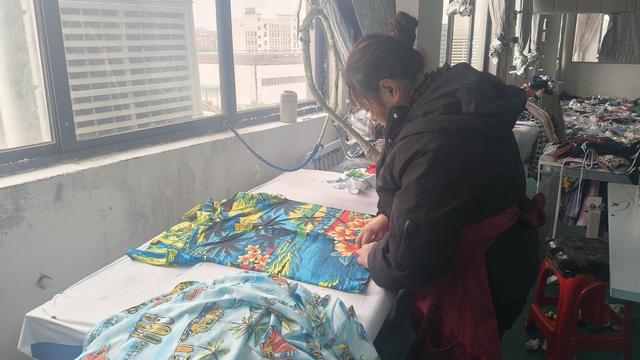
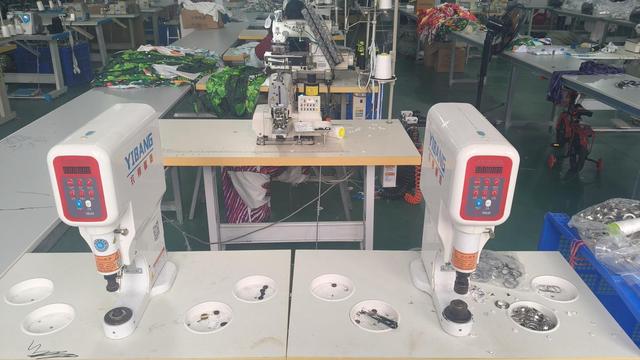
Authentic views of our 8,000+ square meter factory showing advanced sewing tables, fabric processing, and QC checkpoints.
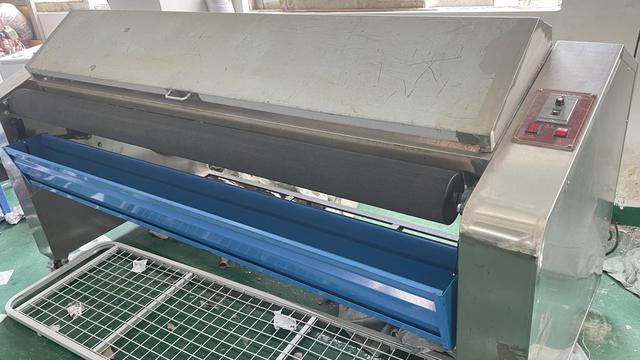
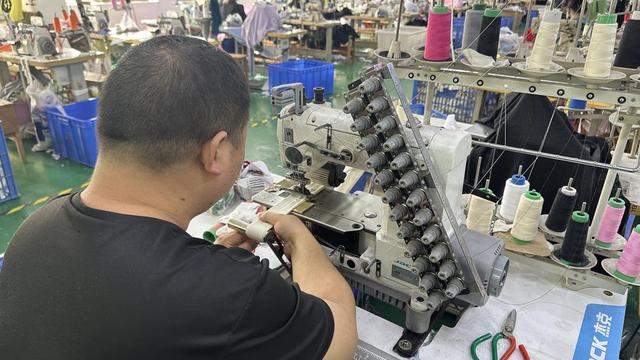
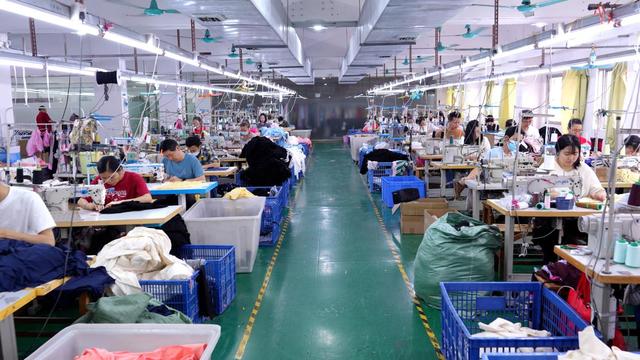
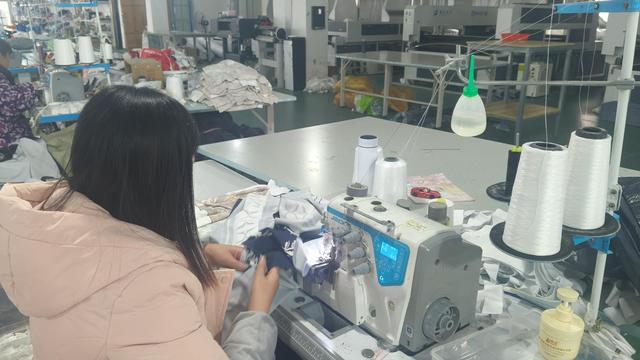
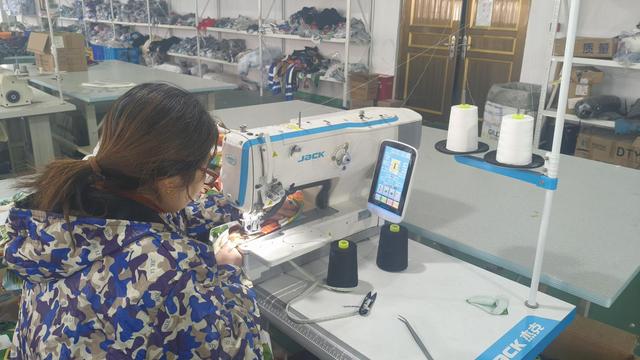
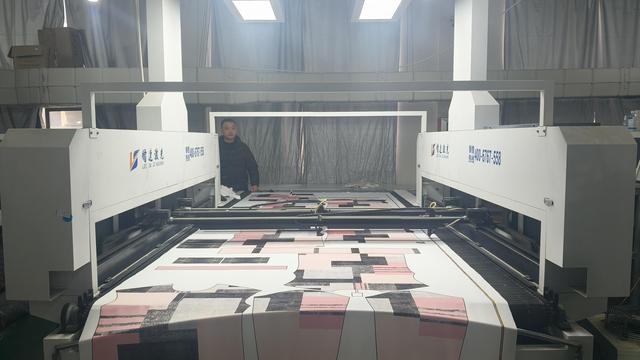
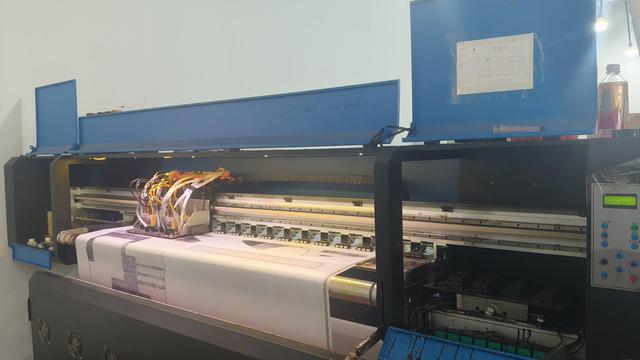
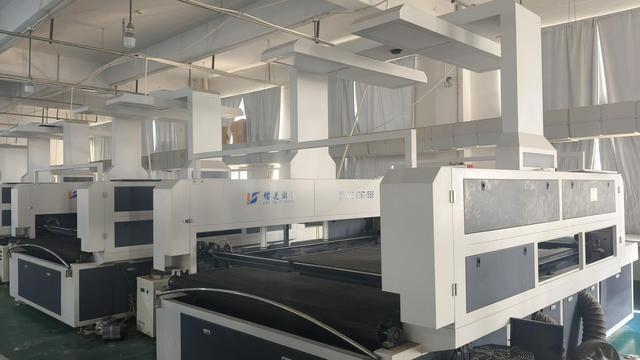
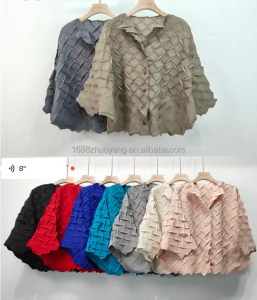
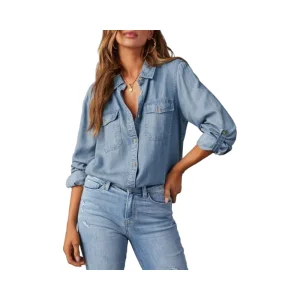
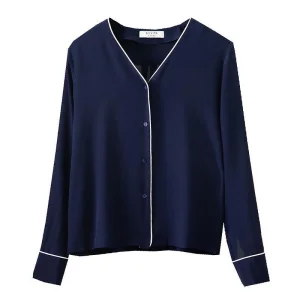
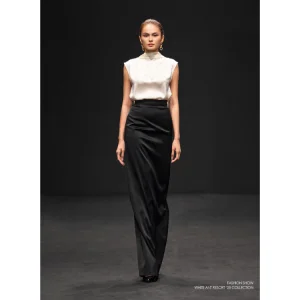
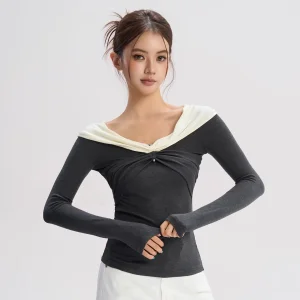
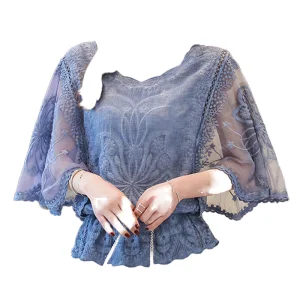
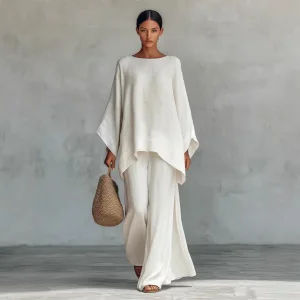
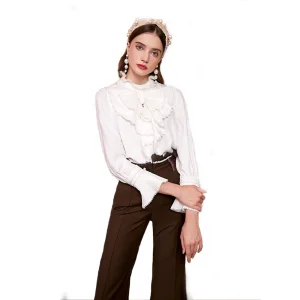
Explore our wide range of custom silhouettes, including satin, knit, denim, velvet, and jacquard textures.
How we ensure frictionless customs clearance and absolute product safety for South Korean importers.
Under South Korea's Special Act on Safety Control of Children's Products and the Common Safety Standards for Consumer Products (including adult garments), textiles coming into contact with skin must be tested for toxic chemicals. Our materials undergo testing for formaldehyde, lead, cadmium, arylamines, and pH values before production runs.
We work in alignment with recognized testing institutions like FITI, KATRI, and KOTITI to provide test reports that assist your import processing at Korean customs. Rest assured, your shipments are processed to arrive without bureaucratic delays.
Under the China-Korea Free Trade Agreement (FTA) and RCEP (Regional Comprehensive Economic Partnership), buyers can access favorable tariff concessions. We issue complete and authentic Certificates of Origin (Form F) which allow South Korean importers to claim zero or substantially reduced custom duties. This reduces landed cost structures, leaving more budget for localized marketing.
Addressing the common transactional questions concerning lead times, logistics pipelines, customization parameters, and payment terms.
Consult with our B2B procurement specialists today to discuss raw materials, custom patterns, logistics options, and receive a customized quote within 12 hours.
Send Inquiry Now Beavo Fashion