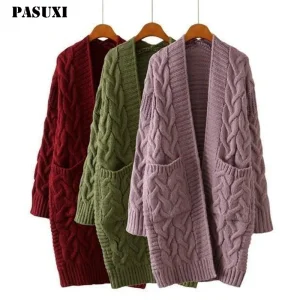
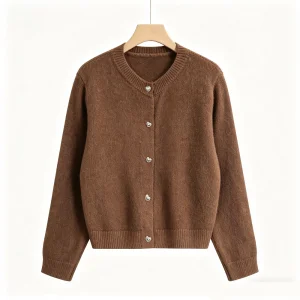
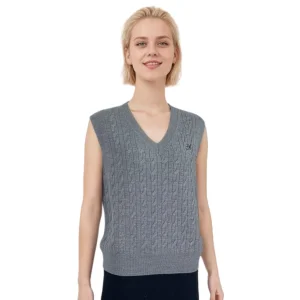
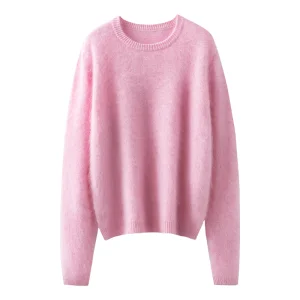
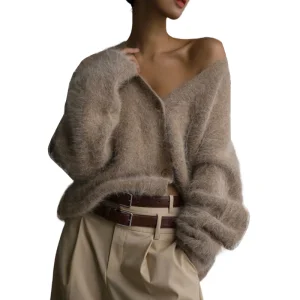
Tailored knitwear designs optimized for Brazil's regional climatic demands, combining breathable weaves with sophisticated aesthetics.
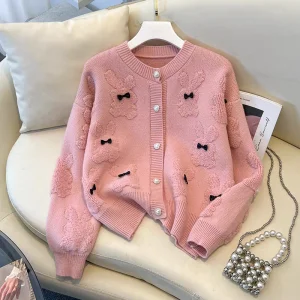
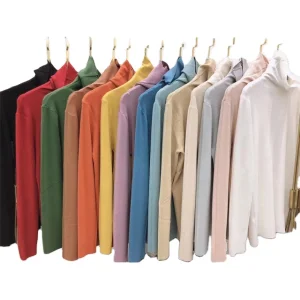
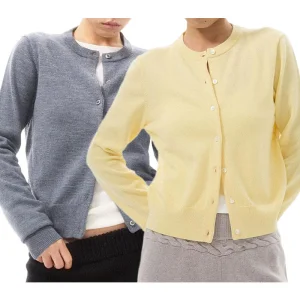
The Brazilian fashion market presents a unique dichotomy of climate and commerce. While Northern Brazil enjoys tropical weather year-round, the Southern and Southeastern regions (such as São Paulo, Rio Grande do Sul, Paraná, and Santa Catarina) experience distinct seasonal temperature drops. Between May and August, temperatures in these industrial and metropolitan centers can fall below 10°C, sparking a massive domestic demand for quality women's sweaters and cardigans.
However, importing knitwear into Brazil requires navigating strict regulatory hurdles, high import taxes, and fluctuating local currencies. The Brazilian tax structure (comprising II, IPI, PIS, COFINS, and local ICMS) demands that importers optimize their unit costs without sacrificing the premium finish that Brazilian consumers expect.
By partnering with an advanced manufacturer like Guangzhou Beavo Fashion Co., Ltd., Brazilian distributors, retail chains (such as Lojas Renner, Riachuelo, and C&A Brazil), and growing e-commerce platforms can leverage China's industrial scale to secure high-margin, high-durability products that align perfectly with Mercosur compliance standards.
From lightweight viscose blends for Rio de Janeiro evenings to heavy 12-gauge merino wool for Curitiba winters, we customize fabric weight and composition for targeted regional demographics.
We provide comprehensive HS-Code categorization (such as Chapter 61 for knitted apparel) and precise shipping documentation to ensure smooth Alfândega clearance in Santos Port.
Understanding how modern fabric engineering and environmental consciousness are shaping the global B2B knitwear market.
Global brands are transitioning to recycled polyester, organic cotton, and sustainable viscose (e.g., Lenzing Ecovero). These materials reduce carbon footprints while meeting Brazilian ESG import initiatives.
Acrylic-polyester core-spun yarns are increasingly popular. They offer high elasticity, resistance to pilling, and replicate the soft hand-feel of luxury cashmere at a fraction of the cost.
Post-pandemic Brazilian consumers seek multifunctional wear. Incorporating antimicrobial treatments and thermal insulation fibers increases product value and market pricing power.
Versatile, high-demand loungewear and structural knits engineered for home and outdoor lifestyle fluidity.

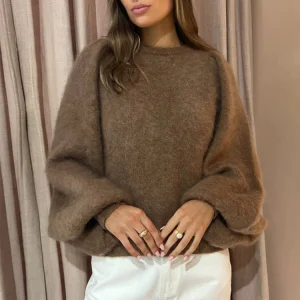
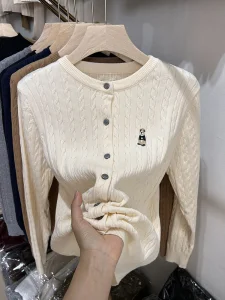
In the fast-moving fashion era, supply chain rigidity is a business liability. Guangzhou Beavo Fashion operates on a Factory 4.0 infrastructure, utilizing advanced German and Japanese computer knitting systems (like Shima Seiki automatic flat knitting machines) that translate digital CAD drawings into complex patterns within hours.
This automated digitization ensures high consistency across massive production runs, reducing human error by up to 95%. Whether executing complex intarsia, jacquards, cables, or basic ribbing, our machinery runs 24/7 to meet quick-turnaround production timelines. For Brazilian buyers, this means minimizing the traditional 6-month lead time down to 30-45 days from sample confirmation to port delivery.
Sqm Modern Facility
Skilled Craftsmen
Year Established
OEM / ODM Capability
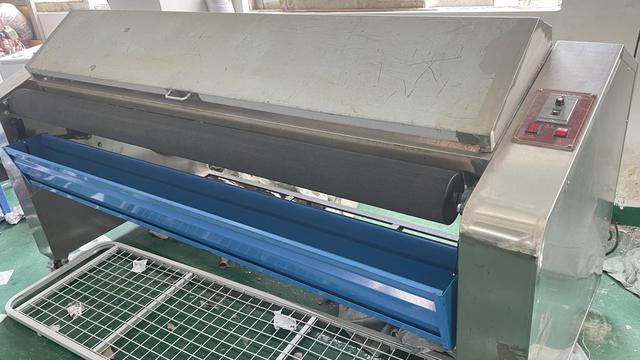
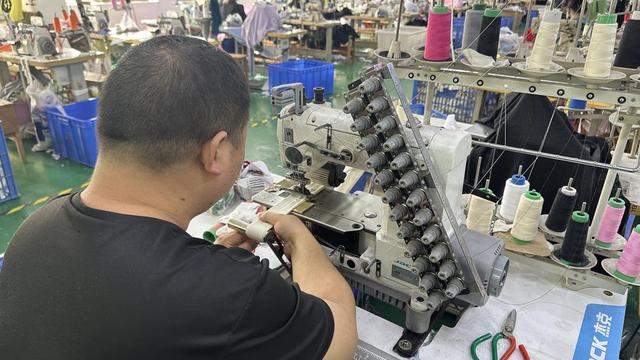
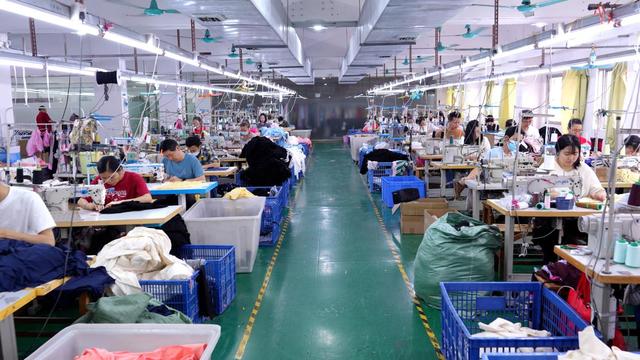
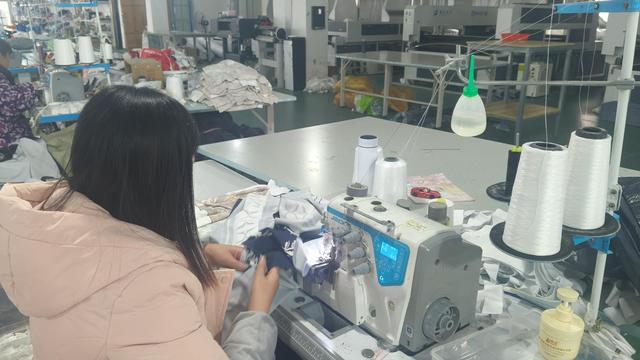
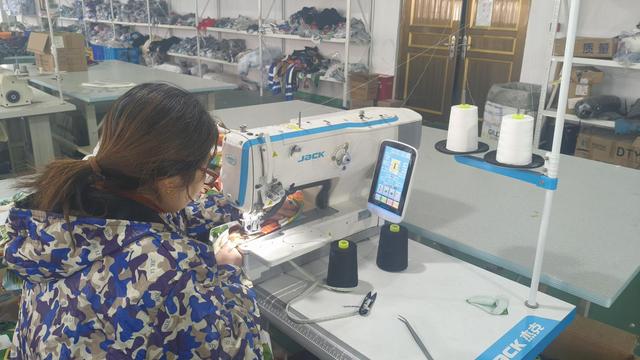
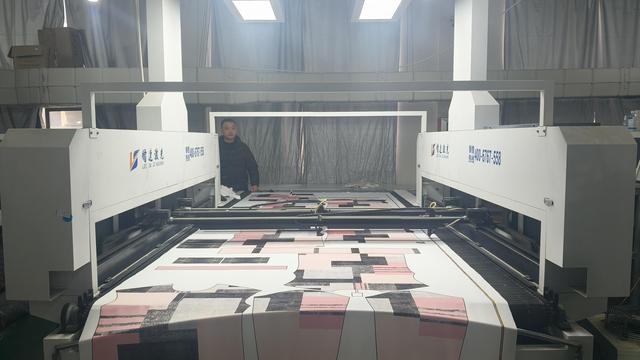
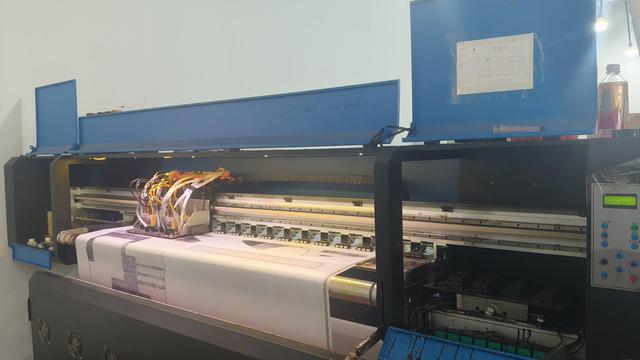
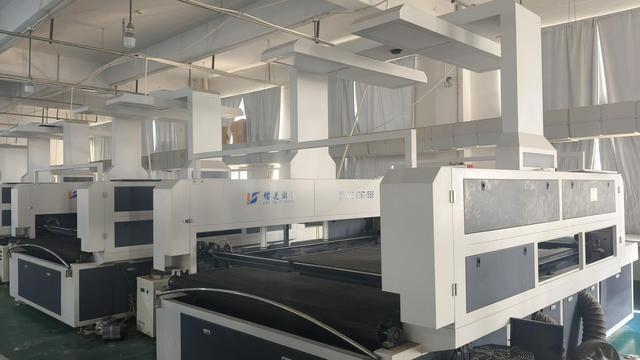
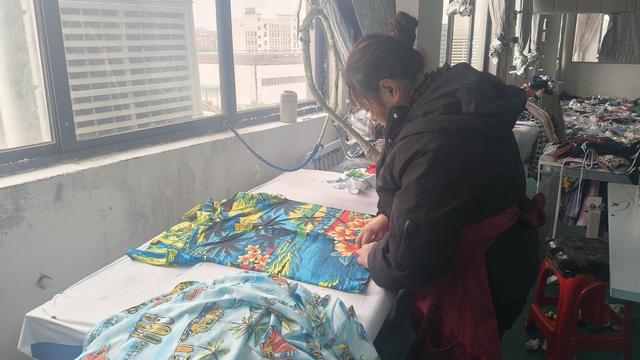
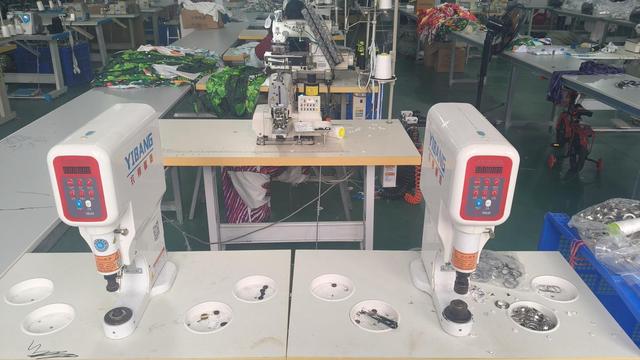
Transparent display of our state-of-the-art facilities, raw material storage, assembly line, and QA laboratories.
Minimizing lead times and navigating tariffs: How we optimize supply chain parameters for South American partners.
We routinely ship from the Port of Guangzhou or Port of Shenzhen directly to Porto de Santos or Porto de Paranaguá. We work with major carriers to secure contract shipping rates for FCL and LCL loads, helping buffer transport inflation.
To import to Brazil, businesses must have a registered RADAR license (Siscomex). We structure our commercial invoices, packing lists, and Certificates of Origin to perfectly align with Receita Federal customs criteria, eliminating costly cargo holds.
Latin American body shapes require distinct grading patterns compared to Asian or European fits. We tailor the hip contours, armholes, and bust dimensions of all sweaters to conform to local ABNT (Associação Brasileira de Normas Técnicas) metrics.
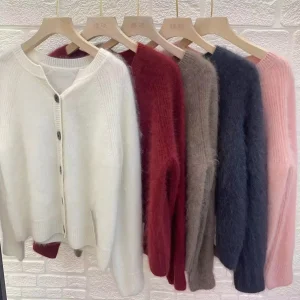
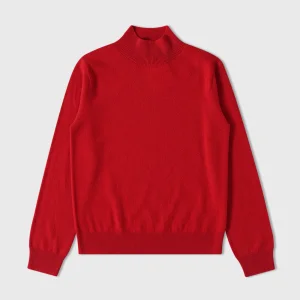
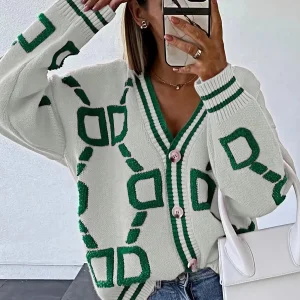
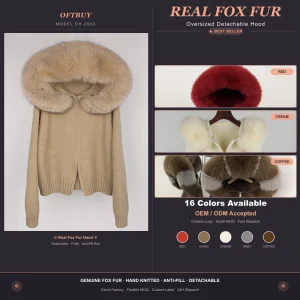
Explore our full line of women's sweaters and cardigans. Select your items below for high-volume custom manufacturing pricing.
Clear, comprehensive answers addressing technical, tax, and logistics requirements for South American buyers.
Our standard B2B production MOQ is 100-300 pieces per style/color, depending on yarn composition and pattern complexity. For established Brazilian brands and importers testing new market segments, we offer flexible developmental options. Because our digital knitting machines support agile setup shifts, we can work with trial volumes to help validate demand cycles.
We provide full documentation, including precise HS-codes (typically within Chapter 61 for Knitted Apparel), detailed Commercial Invoices matching Siscomex requirements, packing lists, and bill of lading (B/L) information. We work closely with your chosen Brazilian despachante aduaneiro (customs broker) to ensure paperwork is compliant, preventing clearance delays at Santos, Paranaguá, or Rio de Janeiro ports.
Yes. Brazilian law requires textile products to contain Portuguese labels listing fiber composition, origin, care symbols, and importer registration tax info (CNPJ). We offer complete label customization services. We print or weave labels that conform exactly to Inmetro guidelines, ensuring your products are ready for immediate retail placement upon clearance.
By sea, the transit time from Shenzhen or Guangzhou port to Santos Port is typically 35 to 45 days. Air freight routes (for quick restocking during peak Southern Hemisphere winters) take between 5 to 9 days. We handle logistics booking, delivery to port warehouses, and coordinate export customs clearances to optimize transit timelines.
For Southern Brazil (Paraná, Rio Grande do Sul), medium-to-heavyweight acrylics, wool blends, and merino wool are popular due to colder winters. For Southeastern and metropolitan regions like São Paulo and Belo Horizonte, lightweight 12-gauge or 14-gauge viscose, cotton-acrylic, and nylon-polyester blends are preferred. These materials offer trans-seasonal wearability, excellent breathability, and easy maintenance.
Get in touch with Guangzhou Beavo Fashion Co., Ltd. for pricing details, custom design samples, and comprehensive ocean freight logistics plans.
Send Inquiry Now Beavo Fashion