Immediate sourcing designs optimized for global distribution channels, apparel brands, and retail chain partners.
An authoritative analysis of global supply chain integration, technological advancements, and quality compliance frameworks in Chinese textile manufacturing.
In the highly dynamic and consumer-driven international fashion industry, securing a reliable manufacturing partner for women's cardigan sweaters is a critical strategic decision for B2B apparel buyers, high-street retailers, and private label enterprises. Cardigans and general knitwear are no longer just utilitarian items for cold seasons; they have evolved into versatile, year-round fashion statements that demand meticulous attention to raw materials, styling, structural durability, and manufacturing precision.
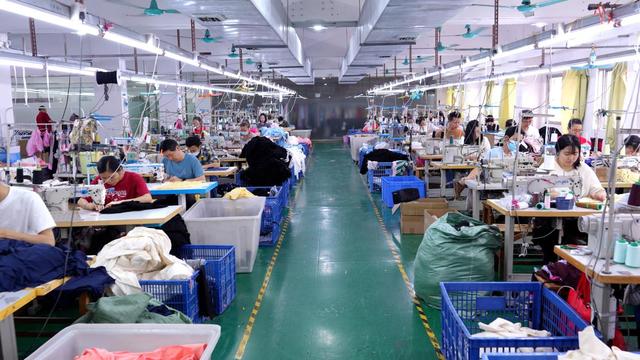
Guangzhou Beavo Fashion Co., Ltd. stands as a premier beacon of industrial capability in this sector. Operating as a highly integrated Women's Clothing Manufacturer, Custom Fashion Apparel Supplier, and OEM/ODM Garment Factory, the company has spent over a decade refining its production matrices. Established in 2012, Beavo Fashion operates a modern manufacturing facility covering over 8,000 square meters in Guangzhou, China. Staffed by a highly integrated workforce of more than 180 skilled employees—comprising dedicated fabric technologists, master pattern makers, visual designers, strict quality control inspectors, and global logistics coordinators—the enterprise acts as an end-to-end partner for global brands aiming to scale their collections with minimal friction.
Through comprehensive infrastructure and deep technical knowledge, Beavo Fashion seamlessly moves projects from initial design and raw yarn sourcing to high-precision computerized knitting, garment assembly, meticulous quality assurance, and international logistics. Handling complex yarn formulations—including premium combed cotton, luxurious merino wool, high-performance acrylic, tencel, and GRS-certified recycled fibers—the company bridges the gap between creative design and bulk manufacturing scalability.
How modern retail buyers and sourcing directors structure their purchasing criteria to optimize margin and reliability.
Global brands require precise control over yarn blends. Sourcing demands include lightweight, anti-pilling, and thermo-regulating compositions like cashmere-acrylic, viscose-polyamide, and certified organic cotton.
With fast fashion and micro-seasons dominating retail, buyers demand manufacturers that support both small-batch custom prototyping (OEM/ODM) and high-volume runs with standardized lead times of 15 to 25 days.
Modern enterprise procurement mandates strict alignment with social compliance framework guidelines. Factories must feature transparent supply chain tracing, eco-friendly dye houses, and fair working conditions.
Purchasing managers globally face the challenge of balancing costs against product quality and speed-to-market. The procurement journey for women's cardigans involves detailed technical assessments, from choosing the appropriate knit gauge (e.g., 3GG, 5GG for heavy knit cable cardigans, or 12GG, 14GG for fine knit office wear) to analyzing how the fabric handles wash shrinkage and shape distortion. Partnering with a supplier that offers comprehensive, in-house technical solutions reduces communication delays, minimizes raw material waste, and ensures that the final garment aligns precisely with technical specifications.
Mitigating global supply chain volatility through localized industrial clusters and vertical manufacturing systems.
Sourcing divisions globally operate in a landscape marked by shipping bottlenecks, energy disruptions, and material price fluctuations. To counter these challenges, modern manufacturers in China's major apparel clusters have transitioned from simple cutting and sewing plants to integrated, highly structured supply chain operators.
Guangzhou Beavo Fashion leverages its geographical position within Guangzhou's renowned textile ecosystem to offer several macro-level supply chain advantages:
This centralized manufacturing approach reduces the risks of production delays, fluctuating fabric quality, and complex international logistics. It provides global buyers with a reliable, predictable supply chain that maintains consistent quality and delivery times throughout the year.
From raw yarn selection to computerized flat knitting, precision linking, and performance testing.
Yarn lots undergo moisture conditioning and strength testing to minimize breakage during machine knitting. Choosing the right yarn blend prevents pilling and maintains color fastness under light and washing.
Master programmers convert fashion designs into CAD instructions for advanced flat knitting machines. This step defines the garment's stitch structures, tension, and exact panel dimensions.
Knitted panels (front, back, and sleeves) are aligned and joined loop-by-loop by skilled linking machine operators. Proper linking keeps seams flexible, comfortable, and highly durable.
Assembled cardigans are washed and dried under controlled temperatures to pre-shrink the fabric. They are then inspected, pressed, metal-detected, and packed for international shipping.
This methodical manufacturing process ensures that every women's cardigan sweater maintains its structural integrity and fits consistently after washing. By integrating computerized machinery with skilled hand-linking, Beavo Fashion delivers cardigans that balance modern structural design with traditional durability. Sourcing managers can request specific knitting techniques, including intricate cable knits, pointelle, ribbed structures, jacquards, and intarsia, depending on their target market preferences.
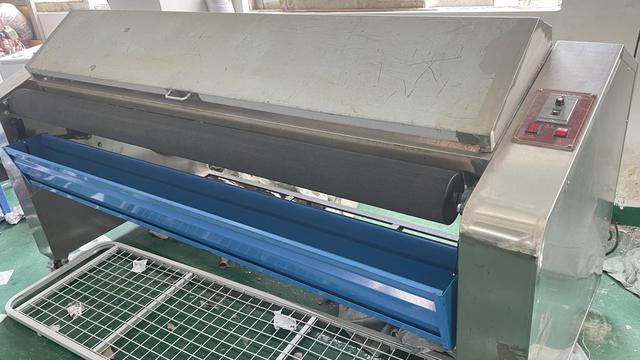
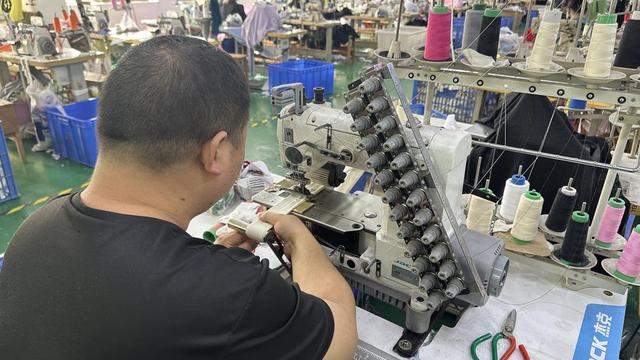
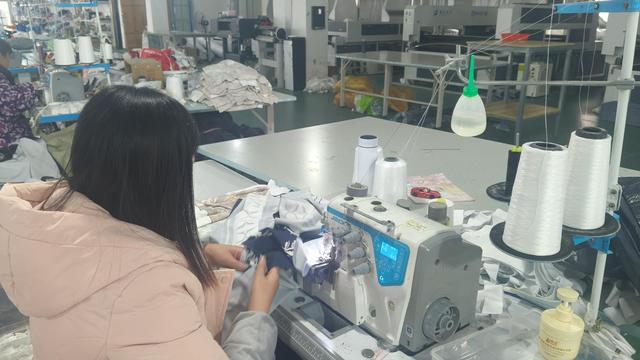
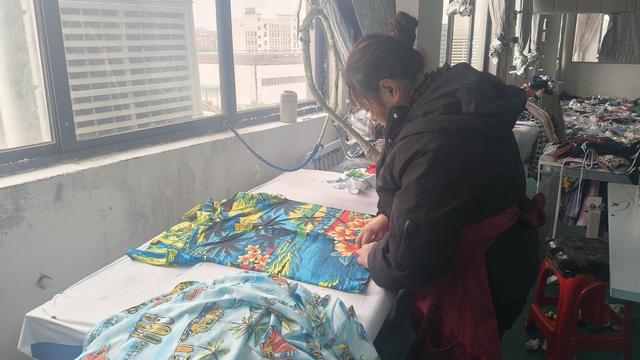
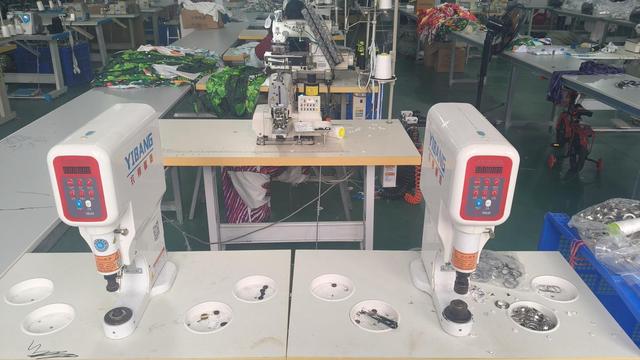
Visual documentation of our 8,000+ square meter factory operations, quality inspection yards, and specialized production departments.
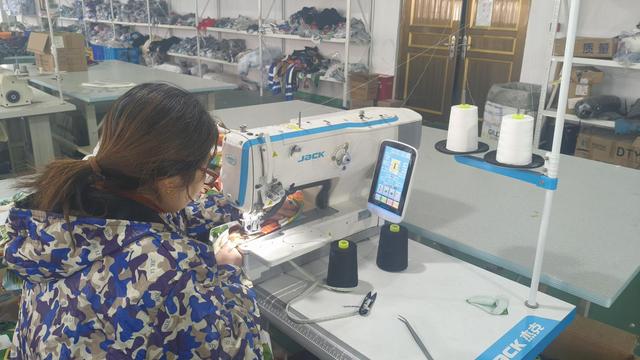
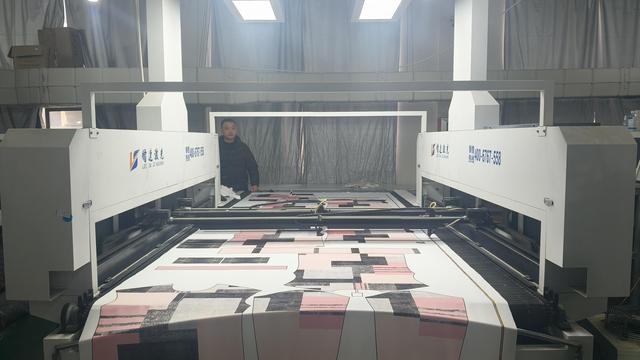
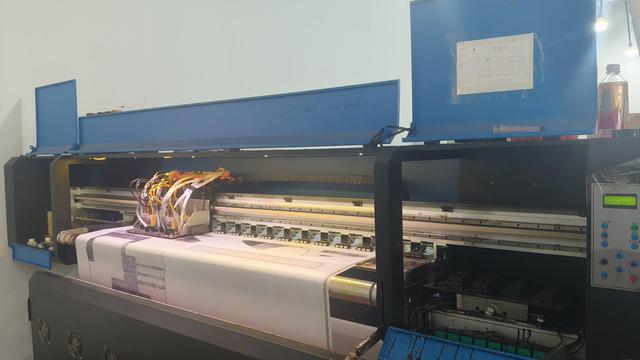
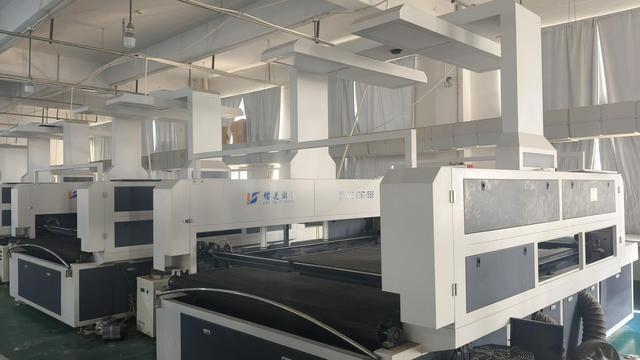
Analyzing why Guangzhou remains the central driver for global cardigan manufacturing, raw material sourcing, and product innovation.
The global trade in women's cardigan sweaters relies heavily on Chinese manufacturing. While apparel assembly has expanded to various developing countries, China remains the primary hub for high-gauge, complex knitwear. This is due to its specialized machinery, domestic raw material supply, and experienced textile workers.
Southern China, and Guangzhou in particular, continues to lead the industry for several key reasons:
Furthermore, Chinese manufacturers invest heavily in automated machinery. Computerized flat knitting machines have largely replaced manual knitting, reducing hand-made defects and ensuring consistent tension across large production runs. This technology allows suppliers to produce complex, high-gauge garments and quickly adjust to the changing product designs required by international brands.
Mitigating international trade risks through certified manufacturing processes, chemical controls, and transparent audits.
Navigating international import regulations is a key priority for B2B buyers in North America, Europe, and Asia-Pacific. Sourcing cardigans involves meeting safety, chemical, and environmental standards in the destination countries. Partnering with a manufacturer that understands and implements these compliance frameworks protects brands from customs delays and product liability issues.
Key regulatory frameworks integrated into Beavo Fashion's manufacturing operations include:
Additionally, Beavo Fashion assists international clients with customs documentation, HS Code classification, tariff optimization, and global logistics coordination, helping to ensure smooth customs clearance at the port of entry.
Practical answers to key operational questions regarding custom cardigan development, MOQ, lead times, and factory audits.
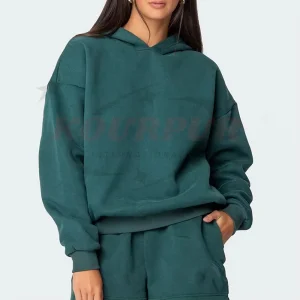
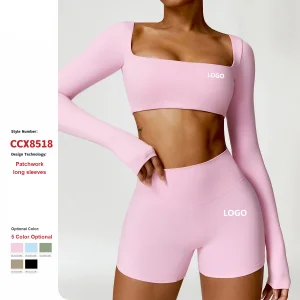
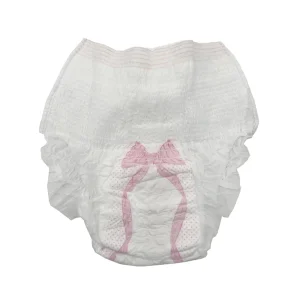
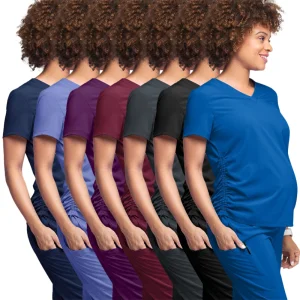
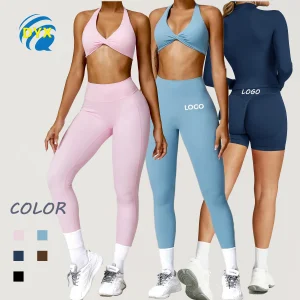
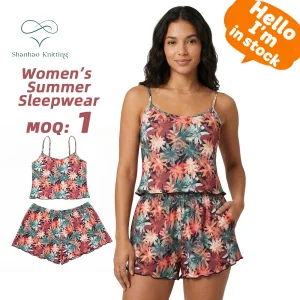
A wider selection of custom knitwear, activewear, and special-purpose apparel options available for global export.
 Beavo Fashion