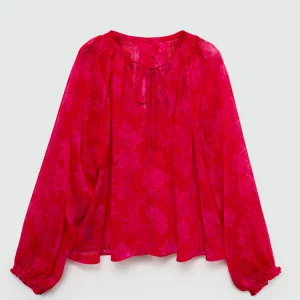
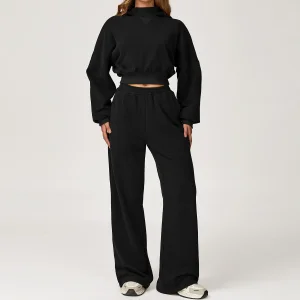
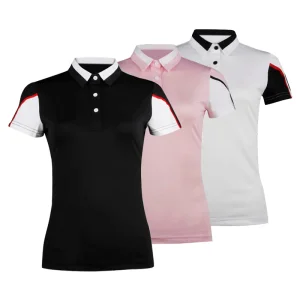
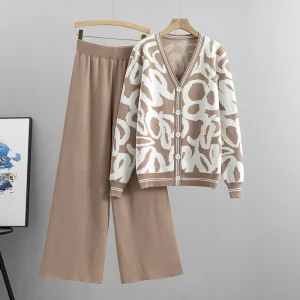
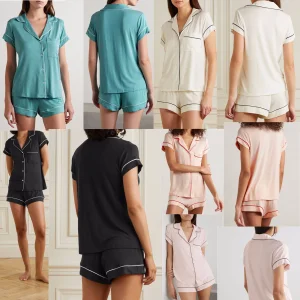
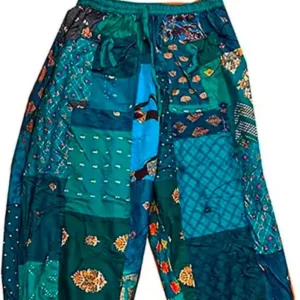
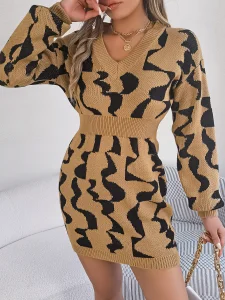
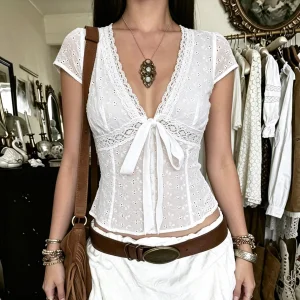
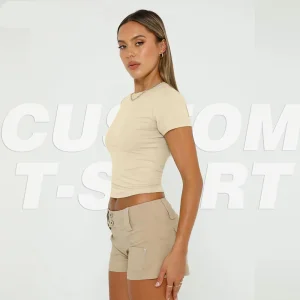
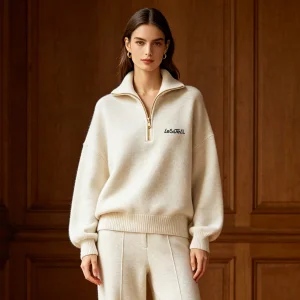
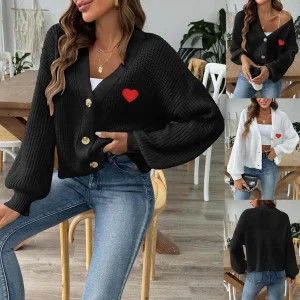
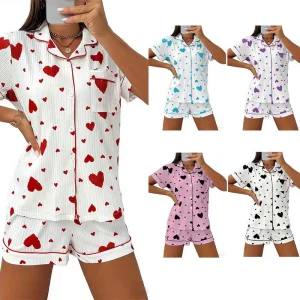
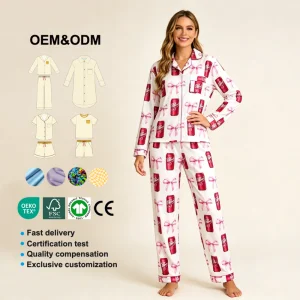
Explore our hot-selling custom clothing lines, from athletic joggers to heavy winterwear tailored for premium brand buyers.
The global marketplace for women’s winter coats is undergoing a structural paradigm shift driven by evolving consumer expectations, climatic variations, and the modernization of apparel supply networks. In major consuming markets such as North America, Western Europe, and Northern Asia, the demand for performance-oriented, stylistically diverse outerwear has risen consistently. Today, a winter coat is no longer viewed purely as a utilitarian shields against freezing temperatures; it serves as a core statement of personal identity, incorporating technical waterproofing, insulation, and high-fashion aesthetics.
From a commercial perspective, procurement directors and apparel brand owners must navigate highly complex international trade vectors. Factors such as fluctuating raw material pricing (particularly for high-grade wools, premium down fillings, and eco-friendly synthetic insulations), rising freight and logistics overheads, and shifting customs regulations demand high supply chain agility. To survive and thrive, fashion brands are increasingly relying on specialized OEM (Original Equipment Manufacturer) and ODM (Original Design Manufacturer) exporters who offer comprehensive solutions from concept drafting to customs clearances.
B2B apparel procurement managers are prioritizing factories that demonstrate more than just cheap assembly costs. Modern sourcing strategies focus heavily on:
Translating manufacturing capacity into measurable reliability parameters for global retail brands.
Engineering a premium women’s winter coat involves sophisticated technical execution. Unlike simple knit tops or summer dresses, winterwear requires complex multi-layer structuring to ensure effective thermal insulation, wind proofing, moisture wicking, and structural drape. Our OEM/ODM production processes prioritize structural integrity at every layer:
The outermost layer is critical for climatic protection. Depending on target market specifications, we employ high-density nylon taffeta, heavy-duty polyester shell fabrics, membrane laminates (for windproof/waterproof breathable ratings up to 10k/10k), and premium natural fiber blends such as merino wool, cashmere, and high-GSM boiled wools. For urban lifestyles, we optimize the fabric surface using DWR (Durable Water Repellent) coatings that are PFC-free, catering to the rising consumer demand for ecological safety.
We source and manage diverse insulation materials to fit various price brackets and functional requirements:
The inside of a winter coat dictates the tactile feel and comfort. We leverage smooth, anti-static polyester linings, soft cotton flannels, and customized jacquard-woven branding linings. Hardware components—including heavy-duty YKK zippers, custom-branded metal snap buttons, toggle drawcords, and faux-fur collar elements—are rigorously wear-tested to withstand up to 10,000 zip-cycles at freezing temperatures.
Engineered options tailored for procurement officers, boutique chains, and direct-to-consumer digital brands.
Provide your tech packs, grading charts, and fabric specs. Our engineering team translates files into exact, high-fidelity production runs with rigorous pattern control.
Select from our extensive ready-to-manufacture catalog. We adapt designs to your brand logo, custom trimmings, and localized size adjustments.
Multi-stage inspection protocol spanning fabric shrinkage checks, seam tension audits, waterproof pressure test, and strict packaging QA.
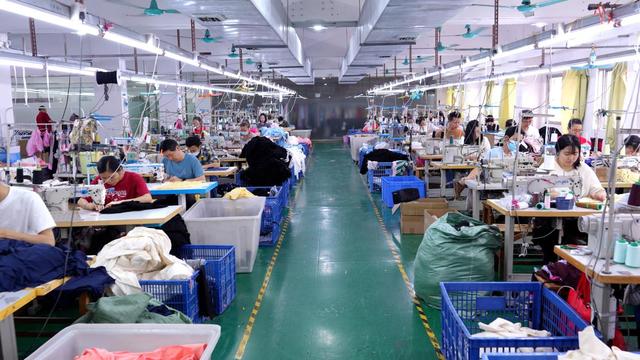
In the textile manufacturing sector, geographic cluster advantages play a massive role in operational efficiency. Guangzhou Beavo Fashion Co., Ltd., established in 2012, operates a modern 8,000 square meter facility in the heart of China’s major garment cluster. This strategic positioning delivers several key advantages to our global buyers:
Guangzhou is home to the world’s largest fabric and accessory supply ecosystems (such as the Zhongda fabric market). Within a 50-mile radius, we can source thousands of shell fabrics, custom buttons, zippers, linings, embroidery specialists, and printing facilities. This dense concentration allows us to complete complex prototype development in a fraction of the time required by factories in less-clustered regions.
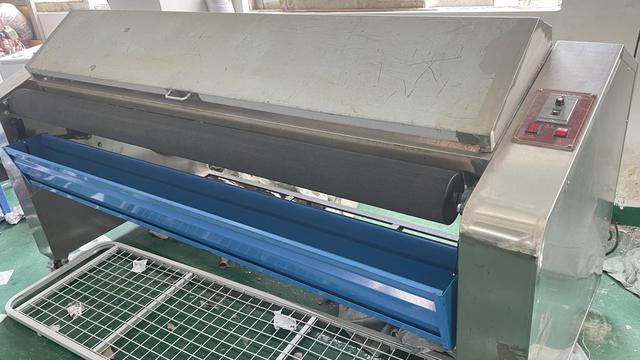
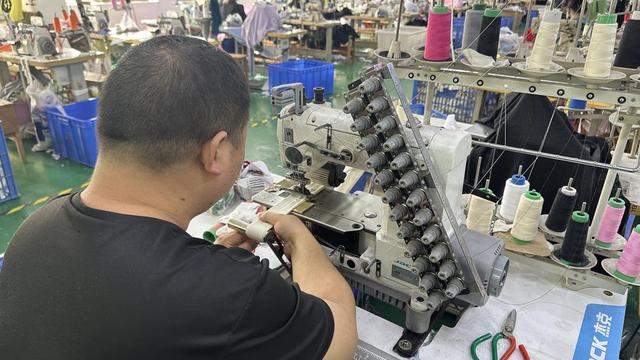
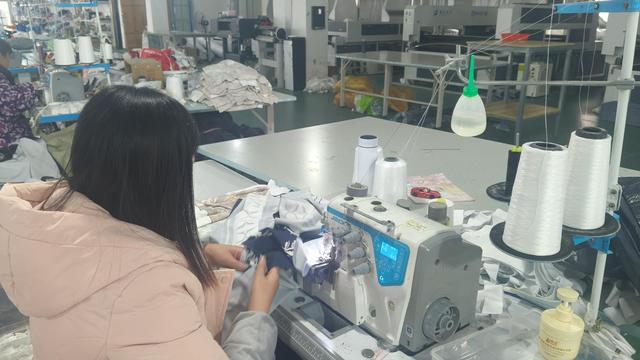
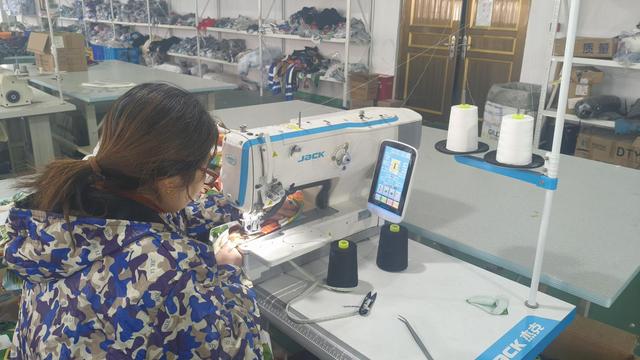
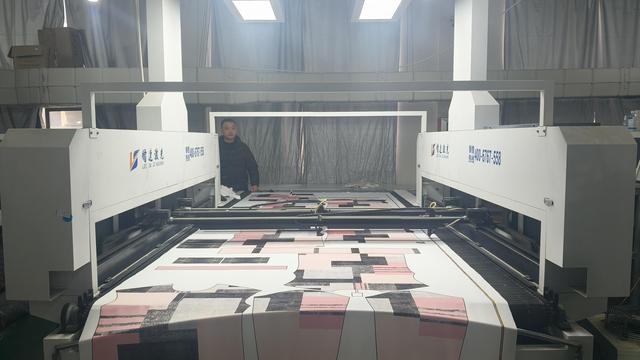
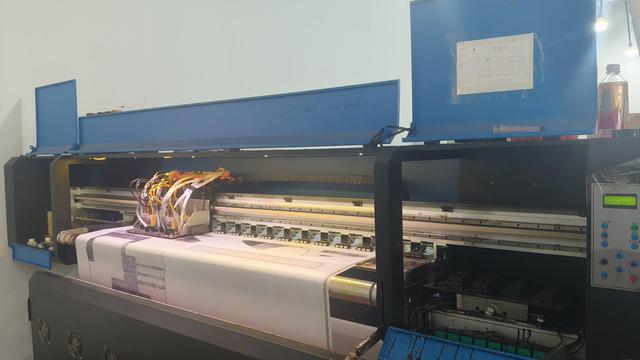
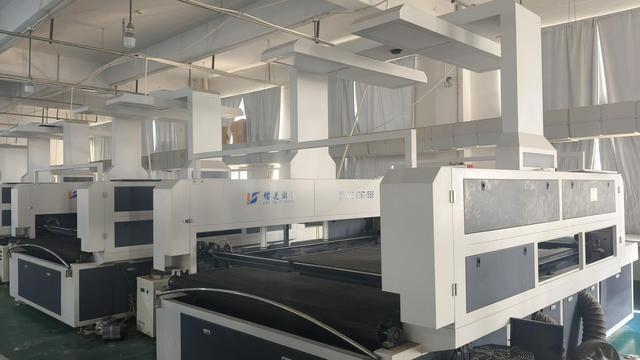
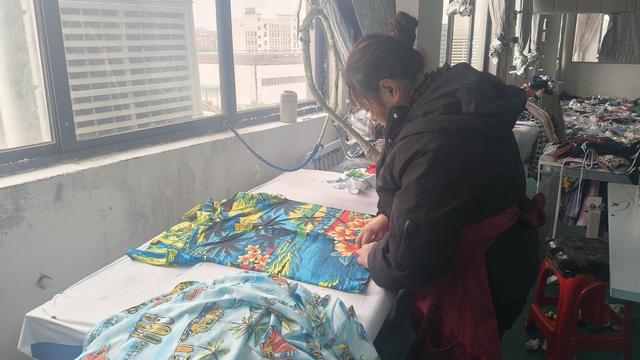
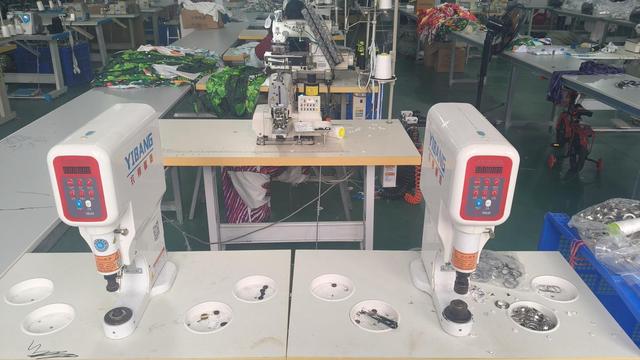
Equipped with computerized CAD pattern grading systems, automatic fabric cutters, down-filling machines, and specialized seam-sealing machinery, our production line handles large-volume runs while maintaining precise detailing. Our workforce of over 180 skilled garment makers, pattern engineers, and QC professionals enables us to manage diverse and complex apparel projects, from high-performance coats to delicate office blouses.
Below is a visual look at our production capacity, material sourcing systems, and state-of-the-art facility structure:
The global winter coat sector is no longer distinct from the sustainability movement. As consumer bases—particularly Millennials and Gen Z—actively boycott brands that engage in non-transparent manufacturing, environmental accountability has shifted from a marketing option to a business imperative.
A key development in modern winterwear design is the elimination of virgin polyester and nylon. We are leading this shift by integrating bio-based fibers and GRS-certified recycled ocean plastics into our outer shell options. These fibers offer equivalent durability and tensile strength to conventional synthetics while lowering carbon footprints by up to 45% during production.
While high-fill down remains a luxury staple, there is a surge in demand for cruelty-free vegan down alternatives. Modern technical synthetics mimic the structural loft of bird down by trapping air in micro-channels, offering excellent warmth and maintaining loft in wet conditions. Additionally, we use bamboo-viscose lining blends which provide natural anti-odor, breathability, and moisture-wicking properties.
The "quiet luxury" aesthetic has reshaped winter coat lines. Sleek, clean silhouettes with concealed closures, monochromatic earth tones, and convertible 3-in-1 modular parkas dominate market requests. Our design office works closely with international forecasting services to update our styles twice a year, ensuring our ODM catalog reflects these market trends.
Answers to critical questions asked by apparel sourcing directors, brand managers, and import logistics specialists.
Explore our fashion-forward, casual, and seasonal collections manufactured to international quality standards.
 Beavo Fashion